
GREAT HORNBILL
- The Malamuzhakki Vezhambal, or the Great Hornbill (Buceros bicornis), is one of the most iconic and majestic birds found in the forests of the Western Ghats, including the lush landscapes of Kerala.
- Its name in Malayalam, Malamuzhakki Vezhambal, translates to "the hornbill that echoes through the mountains," a poetic reference to the loud, resonant call it makes, which often carries far through the dense forest canopy.
- This bird is easily recognizable by its large size, striking black and white plumage, and, most notably, its massive yellow and black casque—a hollow structure that sits atop its long, curved bill. The casque’s function is still debated among ornithologists, but it is believed to be used for amplification of calls and possibly as a display during mating rituals or territorial displays.
- The Great Hornbill holds great ecological significance as well as cultural reverence. It plays a crucial role in seed dispersal, particularly of large fruiting trees like figs, thus helping maintain the health and regeneration of tropical forests. The bird is mainly frugivorous, feeding on a variety of fruits, although it occasionally supplements its diet with small mammals, reptiles, or insects.
- One of the most fascinating aspects of the Great Hornbill is its unique breeding behavior. During nesting, the female seals herself inside a tree cavity using a mixture of mud, fruit pulp, and droppings, leaving only a narrow slit through which the male passes food.
- She remains inside for weeks—sometimes up to four months—while she incubates the eggs and raises the chicks. This nesting period highlights the deep partnership and dependency between the male and female during reproduction.
- In traditional folklore and local culture, the Vezhambal is often seen as a symbol of grandeur, longevity, and mystery. Sadly, the species is facing increasing threats from habitat loss due to deforestation and fragmentation, along with hunting in some regions for its casque and feathers. It is currently listed as "Vulnerable" on the IUCN Red List
Reasons for Vulnerable Status:
-
Habitat Loss: Large-scale deforestation and fragmentation of tropical forests, especially in the Western Ghats and Northeast India, have significantly reduced its natural habitat.
-
Hunting and Poaching: In some regions, the bird is hunted for its casque (helmet-like structure on its bill) and feathers, which are used in traditional ornaments and rituals.
-
Low Reproductive Rate: Their unique nesting behavior—one breeding pair requiring a large tree cavity and a long incubation period—makes population recovery slow
- The Indian Hornbill, especially the Great Indian Hornbill (Buceros bicornis), holds deep cultural and spiritual significance across many parts of India, particularly in tribal and forest-dwelling communities. Beyond its ecological importance, this majestic bird has long been woven into the folklore, rituals, and traditional beliefs of several Indigenous groups.
- In the Northeastern states, such as Nagaland, Arunachal Pradesh, and Manipur, the hornbill is revered as a symbol of valour, strength, and prosperity. Among the Naga tribes, the bird's feathers and casques are traditionally worn by warriors and chiefs during festivals and ceremonies to denote bravery and high status.
- The Hornbill Festival, celebrated annually in Nagaland, is a vibrant cultural event named after the bird. The festival brings together various tribes to showcase their heritage through music, dance, crafts, and storytelling, with the hornbill serving as a symbolic unifier of diverse Naga cultures.
- In Kerala, the Great Hornbill is known as "Malamuzhakki Vezhambal", which poetically means “the hornbill that echoes through the mountains.” In local folklore, the bird is often associated with the pristine, ancient forests of the Western Ghats.
- It is admired not only for its grandeur and striking appearance but also for its mysterious presence deep within forest canopies. The hornbill’s booming call, which resonates through the hills, adds to its mythical aura.
- The bird's devoted parenting behaviour—especially the female sealing herself inside a tree cavity during nesting and the male tirelessly feeding her and the chicks—has often been interpreted as a powerful symbol of loyalty, sacrifice, and protection. In some tribal myths, this act is seen as a lesson in family unity and trust.
- Despite this admiration, the hornbill’s parts were once used in traditional ornaments, ceremonial headgear, or ritual objects, which unfortunately led to hunting in the past.
- However, many communities have now moved towards symbolic representations, using wood, cloth, or painted replicas instead of real hornbill parts—reflecting a growing awareness about conservation and respect for wildlife.
- In recent years, the hornbill has also become a flagship species in conservation campaigns. Its cultural importance is being leveraged to promote forest protection and environmental education.
- By tapping into traditional reverence for the hornbill, conservationists are working hand in hand with local communities to ensure that this magnificent bird continues to thrive in both the forests and the folklore of India.
- In essence, the Indian Hornbill is not just a bird—it is a cultural icon, a storyteller of the forest, and a bridge between tradition and conservation
|
S. No. |
Common Name |
Scientific Name |
Key Identifying Features (for quick visual ID) |
Distribution in India |
Conservation Status (IUCN) |
Image |
|
1. |
Great Hornbill |
Buceros bicornis |
Very large, prominent yellow and black casque, white tail. |
Western Ghats, Eastern Ghats, Himalayan foothills, NE India |
Vulnerable |
|
|
2. |
Malabar Pied Hornbill |
Anthracoceros coronatus |
Medium-sized, black and white plumage, large yellow casque with black markings. |
Western Ghats, parts of Central India (MP, Odisha) |
Near Threatened |
|
|
3. |
Oriental Pied Hornbill |
Anthracoceros albirostris |
Medium-sized, black and white, smaller casque than Malabar Pied, mostly white underparts. |
Northeast India, Andaman & Nicobar Islands |
Least Concern |
|
|
4. |
Indian Grey Hornbill |
Ocyceros birostris |
Medium-sized, entirely grey plumage, small, dark casque. |
Widespread across Indian subcontinent (except NE & high alt.) |
Least Concern |
|
|
5. |
Malabar Grey Hornbill |
Ocyceros griseus |
Medium-sized, grey plumage, yellowish bill, no prominent casque, rufous vent. |
Endemic to Western Ghats |
Least Concern |
|
|
6. |
Narcondam Hornbill |
Rhyticeros narcondami |
Smallest Indian hornbill, dark plumage, casque with unique shape, found only on Narcondam Island. |
Endemic to Narcondam Island (Andaman & Nicobar Islands) |
Vulnerable |
|
|
7. |
Rufous-necked Hornbill |
Aceros nipalensis |
Large, male with rufous neck & head; female black; prominent, ridged casque. |
Northeast India (Himalayan foothills) |
Vulnerable |
|
|
8. |
Wreathed Hornbill |
Rhyticeros undulatus |
Large, male with yellow gular pouch, female blue; distinctive 'wreathed' casque. |
Northeast India |
Vulnerable |
|
|
9. |
Austen's Brown Hornbill |
Anorrhinus austeni |
Medium-sized, overall brown plumage, smaller casque, often seen in groups. |
Northeast India |
Near Threatened |
|


.jpg)


|
For Prelims: Hornbill Festival, Great Hornbill, Kuki-Zoo
For Mains: GS III - Environment and ecology
|
|
Previous Year Questions
1.In which of the following regions of India are you most likely to come across the ‘Great Indian Hornbill’ in its natural habitat? (2016) (a) Sand deserts of northwest India (b) Higher Himalayas of Jammu and Kashmir (c) Salt marshes of western Gujarat (d) Western Ghats Answer (d)
|
WHOLESALE PRICE INDEX (WPI)
Wholesale price inflation rose to 9.87% in June, from 9.68% in May, led by a sharp spike in prices of non-food and food products.
2. What is the Wholesale Price Index(WPI)?
The Wholesale Price Index (WPI) is a measure of the changes in the prices of goods sold and traded in bulk by wholesale businesses to other businesses or retailers. It is one of the key indicators used to measure inflation and economic performance in a country.
WPI tracks the average price changes of goods at the wholesale level, providing insights into inflationary pressures in the economy. It includes various categories of goods such as agricultural products, industrial raw materials, fuel and power, and manufactured goods.
Governments and policymakers use WPI data to monitor inflation trends, formulate monetary and fiscal policies, and assess the overall health of the economy. It serves as a crucial tool for businesses to adjust pricing strategies, forecast costs, and make informed decisions regarding production and investment
3. Importance of WPI
The Wholesale Price Index (WPI) holds several significant roles in economic analysis and policymaking:
- WPI is a key indicator used to measure inflationary pressures in the economy. By tracking changes in the prices of goods at the wholesale level, it provides insights into the direction and magnitude of inflation. This data is crucial for policymakers in formulating monetary and fiscal policies to maintain price stability
- WPI serves as a barometer of economic performance, reflecting changes in production costs, input prices, and overall market conditions. Fluctuations in WPI can indicate shifts in supply and demand dynamics, business confidence, and economic activity levels
- Governments and central banks rely on WPI data to formulate and adjust monetary and fiscal policies. By assessing inflationary trends captured by WPI, policymakers can make informed decisions regarding interest rates, money supply, taxation, and government spending to achieve macroeconomic objectives such as price stability, economic growth, and employment generation
- Businesses utilize WPI as a tool for forecasting production costs and adjusting pricing strategies. By monitoring changes in wholesale prices of goods, companies can anticipate future cost pressures, optimize supply chain management, and make pricing decisions to maintain profitability and competitiveness in the market
- WPI data is also crucial for analyzing trends in international trade. Changes in wholesale prices can affect export competitiveness, import demand, and trade balances. Policymakers use WPI information to assess the impact of exchange rate fluctuations, trade policies, and global economic conditions on domestic industries and trade relations
The Consumer Price Index (CPI) is a measure that examines the weighted average of prices of a basket of consumer goods and services, such as transportation, food, and medical care. It is one of the most widely used indicators for tracking inflation and assessing changes in the cost of living over time.
CPI is calculated by collecting price data for a representative sample of goods and services that are typically purchased by urban consumers. The prices of these items are then aggregated and weighted according to their relative importance in the average consumer's expenditure. The resulting index reflects the average price level experienced by consumers
CPI is used by governments, central banks, businesses, and households for various purposes:
- CPI is primarily used to measure inflation, which is the rate at which the general level of prices for goods and services is rising. By tracking changes in the CPI over time, policymakers can gauge the extent of inflationary pressures in the economy and adjust monetary and fiscal policies accordingly
- Many labour contracts, pension plans, and government benefits are indexed to CPI. This means that payments or wages are adjusted periodically based on changes in the CPI to maintain purchasing power and account for changes in the cost of living
- Central banks often use CPI as a key input in their monetary policy decisions. By targeting a specific inflation rate, central banks aim to achieve price stability and support sustainable economic growth. CPI data helps policymakers assess whether monetary policy actions are effectively controlling inflation
- Investors and financial analysts use CPI data to adjust their investment strategies and financial planning. Understanding inflation trends can help investors anticipate changes in interest rates, bond yields, and stock market performance, which in turn influence investment decisions
- CPI data provides insights into consumer behavior and spending patterns. Changes in the prices of specific goods and services reflected in the CPI can affect consumer preferences, purchasing decisions, and overall economic activity
| Subject | Wholesale Price Index (WPI) | Consumer Price Index (CPI) |
|---|---|---|
| Scope of Goods and Services | Measures changes in prices of goods traded in bulk by wholesalers, including raw materials, intermediate goods, and finished goods. | Tracks changes in prices of goods and services purchased by households for consumption, including food, housing, transportation, etc. |
| Target Audience | Relevant to businesses, policymakers, and analysts involved in production, manufacturing, and trade. | Important for individuals, households, labor unions, and policymakers involved in setting wages, pensions, and social security benefits. |
| Weighting and Composition | Based on a fixed basket of goods and services weighted according to their relative importance in wholesale trade. | Based on a basket of goods and services representative of urban consumer spending patterns. |
| Policy Implications | Changes in WPI affect production costs, supply chain management, and business profitability. Used by policymakers to assess inflation trends and formulate industrial and trade policies. | Changes in CPI directly impact the cost of living for households and influence consumer behavior, purchasing power, and welfare. Used by policymakers to adjust wages, social benefits, and taxation policies. |
|
For Prelims: Consumer Price Index, Wholesale Price Index, Inflation, retail inflation, Producer Pirce Index, National Statistical Office, OPEC+, Crude oil, Kharif season, Monsoon,
For Mains:
1. Analyse the factors contributing to high food inflation in India in recent months. Discuss the impact of high food inflation on the Indian economy and suggest measures to mitigate it. (250 words)
2. Explain the concept of sticky inflation. What are the various factors that contribute to sticky inflation? Discuss the implications of sticky inflation for the Indian economy. (250 words)
|
|
Previous Year Questions
1. With reference to inflation in India, which of the following statements is correct? (UPSC 2015)
A. Controlling the inflation in India is the responsibility of the Government of India only
B. The Reserve Bank of India has no role in controlling the inflation
C. Decreased money circulation helps in controlling the inflation
D. Increased money circulation helps in controlling the inflation
Answer: C
2. With reference to India, consider the following statements: (UPSC 2010)
1. The Wholesale Price Index (WPI) in India is available on a monthly basis only.
2. As compared to Consumer Price Index for Industrial Workers (CPI(IW)), the WPI gives less weight to food articles.
Which of the statements given above is/are correct?
A. 1 only B. 2 only C. Both 1 and 2 D. Neither 1 nor 2
Answer: B
3. Consider the following statements: (UPSC 2020)
1. The weightage of food in Consumer Price Index (CPI) is higher than that in Wholesale Price Index (WPI).
2. The WPI does not capture changes in the prices of services, which CPI does.
3. Reserve Bank of India has now adopted WPI as its key measure of inflation and to decide on changing the key policy rates.
Which of the statements given above is/are correct?
A. 1 and 2 only B. 2 only C. 3 only D. 1, 2 and 3
4. India has experienced persistent and high food inflation in the recent past. What could be the reasons? (UPSC 2011)
1. Due to a gradual switchover to the cultivation of commercial crops, the area under the cultivation of food grains has steadily decreased in the last five years by about 30.
2. As a consequence of increasing incomes, the consumption patterns of the people have undergone a significant change.
3. The food supply chain has structural constraints.
Which of the statements given above are correct?
A. 1 and 2 only B. 2 and 3 only C. 1 and 3 only D. 1, 2 and 3
Answer: B
5. The Public Distribution System, which evolved as a system of management of food and distribution of food grains, was relaunched as _______ Public Distribution System in 1997. (SSC JE EE 2021)
A. Evolved B. Transformed C. Tested D. Targeted
Answer: D
6. Under the Antyodaya Anna Yojana, up to what quantity of rice and wheat can be purchased at a subsidised cost? (FCI AG III 2023)
A. 35 kg B. 40 kg C. 30 kg D. 25 kg E. 50 kg
Answer: A
7. As per the the National Statistical Office (NSO) report released on 7 January 2022, India's Gross domestic product (GDP) is expected to grow at ___________ per cent (in first advance estimates) in the fiscal year 2021-22? (ESIC UDC 2022)
A. 17.6 per cent B. 9.5 per cent C. 11 per cent D. 9.2 per cent E. None of the above
Answer: D
8. The main emphasis of OPEC (Organisation of the Petroleum Exporting Countries) is on which of the following? (UKPSC 2016)
A. The production of petroleum
B. Control over prices of petroleum
C. Both (a) and (b)
D. None of the above
Answer: C
9. In the context of global oil prices, "Brent crude oil" is frequently referred to in the news. What does this term imply? (UPSC 2011)
1. It is a major classification of crude oil.
2. It is sourced from the North Sea.
3. It does not contain sulfur.
Which of the statements given above is/are correct?
A. 2 only B. 1 and 2 only C. 1 and 3 only D. 1, 2 and 3
Answer: B
10. The term 'West Texas Intermediate', sometimes found in news, refers to a grade of (UPSC 2020)
A. Crude oil B. Bullion C. Rare earth elements D. Uranium
Answer: C
11. With reference to the cultivation of Kharif crops in India in the last five years, consider the following statements: (UPSC 2019)
1. Area under rice cultivation is the highest.
2. Area under the cultivation of jowar is more than that of oilseeds.
3. Area of cotton cultivation is more than that of sugarcane.
4. Area under sugarcane cultivation has steadily decreased.
Which of the statements given above are correct?
A. 1 and 3 only B. 2, 3 and 4 only C. 2 and 4 only D. 1, 2, 3 and 4
Answer: A
|
GEOGRAPHICAL INDICATION TAG
1. Context
2. About Geographical Indication (GI) Tag
- A Geographical Indication (GI) is a label that is applied to products that have a specific geographical origin and that have characteristics related to that particular location.
- For Example, a GI tag for Amroha Dholak indicates that the dholaks must be made in Amroha, Uttar Pradesh, using traditional methods and materials.
3. Importance of GI Tag
- GI tags are important because they help to produce the reputation and authenticity of products from a particular region.
- They also help to promote fair trade and sustainable practices. In the case of the seven products from Uttar Pradesh that have received GI tags, these tags will help to ensure that these products are made using traditional methods and that they are of high quality.
- This will benefit the artisans who make these products and it will also help to preserve the unique cultural heritage of Uttar Pradesh.
4. Products from Uttar Pradesh Get GI Tag
4.1. Amroha Dholak
- It is a musical instrument crafted from natural wood, particularly mango, jackfruit and teakwood.
- Skilled artisans carve hollow blocks of various sizes and shapes from mango and sheesham trees, which are then fitted with animal skin, typically goatskin, to produce the instrument.
- It is produced by around 300 small units, employing over 1, 000 artisans. The Artisans Welfare Society in Mohalla Danishmandan, Amroha, Uttar Pradesh applied the GI Tag.
 Image source: One district-one product
4.2. Baghpat Home Furnishings
- Exquisite Handloom Craft The Directorate of Handloom and Textile Industries, Government of Uttar Pradesh and the Master Weavers Cooperative Society Limited applied the Baghpat Home Furnishings.
- Baghpat and Meerut are renowned for their exclusive handloom home furnishing products and the tradition of weaving cotton yarn fabrics for generations.
- The handloom weaving process in Baghpat is known for utilizing only cotton yarn and the distinctive frame loom technique.
 Image source: One district-one product
4.3. Barabanki Handloom Product
- A GI Tag for Traditional Weaving The Barabanki Handloom Product has also been honoured with a GI tag.
- The application for this product was filed by the Directorate of Handloom and Textile Industries, Government of Uttar Pradesh, along with Bhartiya Bunkar Sahkari Samiti Limited.
- The filing reveals that the Barabanki cluster comprises approximately 50, 000 weavers and 20, 000 looms in Barabanki and its adjoining areas.
- The annual turnover of this cluster is projected to be around ₹150 crores.
 Image source: One district-one product
4.4. Kalpi Handmade Paper
- An Age-old Craft application for the Kalpi Handmade Paper was submitted by the Hasht Nirmit Kagaj Samiti in the Industrial Estate of Kalpi, Uttar Pradesh.
- Kalpi has a rich history of handmade paper manufacturing. Munnalal Khaddari a Gandhian formally introduced the craft in the 1940s, although some locals claim its roots go even further back.
- The Kalpi handmade paper-making cluster engages over 5, 000 craftsmen and operates approximately 200 units.
 Image Source: Magzter
4.5. Mahoba Gaura Patthar Hastashlip
- Crafted from the Pyro Flight Stone Mahoba Gaura Pattar Hastashlip represents the stone craft of the region, specifically using the unique and delicate Pyro Flight Stone.
- This radiant white stone is predominantly found in Mahoba and is carved into various pieces to create stunning craft items.
 Image Source: Jagran
4.6. Manipuri Tarkashi
- Intricate Brass Wire Inlay Work on Wood Mainpuri Tarkashi is a popular art form originating from Mainpuri, Uttar Pradesh.
- It involves intricate brass wire inlay work on wood. Traditionally, it was employed in the creation of Khadaous (wooden sandals) an essential household item when leather was considered unclean.

4.7. Sambhal Horn Craft
- Unique Handcrafted Art The Sambhal Horn Craft utilizes raw materials obtained from dead animals and showcases the skilful handiwork of artisans.
- This craft involves completely handmade creations and is recognized for its distinctiveness.

Image source: One district-one product
It is embroidered on an off-white coarse cloth with red, yellow and green coloured threads, with each colour holding significance. Green symbolises the mountains and hills, and yellow stands for peace and happiness. Red stands as the symbol of blood.

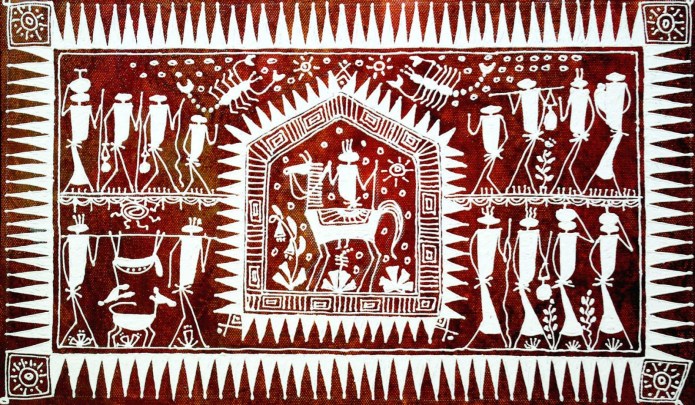
The art form belongs to the Lanjia Saura community, a PVTG largely residing in the Rayagada district. These paintings are in the form of exterior murals painted on the mud walls of homes. White paintings figure over a crimson-maroon background.
It is believed that the Lanjia Sauras paint their walls with Idital artworks to show gratitude to their deities and forefathers, and also for the well-being of their community. Reflecting the love and affection of the primitive tribes for nature, they feature subjects like tribal humans, trees, animals, birds, the Sun and the Moon.
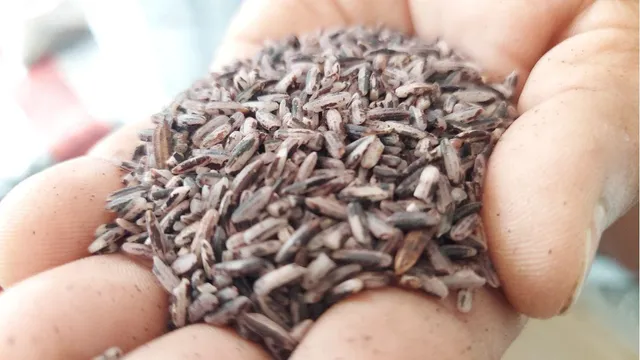
4.10. Koraput Kala Jeera Rice

Nayagarh Kanteimundi Brinjal is known for its prickly thorns on the stems and the whole plant. The green and round fruits contain more seeds as compared to other genotypes. It is famous for its unique taste and relatively short quick cooking time. The plants are resistant to major insects and can be grown with minimal pesticide.
It is being widely cultivated in Nayagarh district of the state. The growers are getting a yield of up to 200 quintals per hectare and selling at around Rs 60 per kg. Historical records also suggest that the locals got the brinjal from the hilly areas. They collected seeds from it and started raising seedlings nearly 100 years ago
4.13.Odisha Khajuri Guda
Odisha’s “Khajuri Guda” or jaggery is a natural sweetener extracted from date palm trees and has its origin in the Gajapati district. Traditionally, the jaggery is prepared in a trapezoidal form called ‘Patali Gur’ and is organic by nature. It is dark brown and has a unique taste

4.14.Dhenkanal Magji
Dhenkanal Magji is a type of sweet made from cheese from buffalo milk, with distinct characteristics in terms of appearance, taste, flavour, shape, and size. It also has unique nutritional values that distinguish it from other cheese-based sweets.
Thousands of people were said to be earning their livelihood through animal husbandry, especially buffalo rearing, during the British era. The region was the hinterland of buffalo milk production and cheese was the third largest produce, after milk and curd. Mandar-Sadangi area of Gondia block is believed to be the centre of origin of the sweet stuff, which has now been spread to the entire district.
The sweet is prepared by draining moisture from the cheese and then frying it, finally forming balls from the mixture
5. Way forward
A marker of authentic products, the GI tags also help protect the interests of the local growers and artisans by preventing duplicity of the products and sale from unauthorised traders. Consumers, through the tags, can know which goods are certified
|
For Prelims: Geographical Indication Tag, Uttar Pradesh, Amroha Dholak, Mahoba Gaura Patthar Hastashlip, Manipuri Tarkashi, Sambhal Horn Craft, Baghpat Home Furnishings, Barabanki Handloom Product, Kalpi Handmade Paper,
For Mains:
1. Discuss the potential economic and cultural benefits of obtaining GI tags for regional products in terms of enhancing their market value and preserving traditional knowledge. (250 Words)
|
|
Previous Year Questions 1. Which of the following has/have been accorded 'Geographical Indication' status? (UPSC 2015) 1. Banaras Brocades and Sarees
2. Rajasthani Daal-Bati-Churma
3. Tirupathi Laddu
Select the correct answer using the code given below.
A. 1 only B. 2 and 3 only C. 1 and 3 only D. 1, 2 and 3 Answer: C
2. India enacted The Geographical Indications of Goods (Registration and Protection) Act, 1999 in order to comply with the obligations to (UPSC 2018)
A. ILO B. IMF C. UNCTAD D. WTO
Answer: D
3. On the basis of 'one district one product' programme in Uttar Pradesh, which one of the following pairs is NOT correctly matched? (UPPSC Combined State Exam 2022)
A. Gautam Buddh Nagar - Readymade Garments
B. Amethi - Moonz Products
C. Agra - Leather Products
D. Baghpat - Wooden Toys
Answer: D
4. In which of the following states was the Monpa handmade paper making unit inaugurated in December 2020? (SSC CHSL 2021)
A. Manipur B. Tripura C. Assam D. Arunachal Pradesh
Answer: D
|
DISTRICT DEVELOPMENT COUNCILS (DDC)

- The 73rd and 74th Constitutional Amendment Acts, 1992 are regarded as landmark reforms in India's democratic framework because they provided constitutional status to local self-government institutions.
- These amendments were enacted with the objective of decentralizing power, promoting grassroots democracy, and ensuring greater participation of people in governance.
- While the 73rd Constitutional Amendment deals with rural local self-government through Panchayati Raj Institutions, the 74th Constitutional Amendment focuses on urban local self-government through Municipalities.
- The 73rd Amendment came into effect on 24 April 1993, whereas the 74th Amendment became effective on 1 June 1993.
- The 73rd Constitutional Amendment Act, 1992 inserted Part IX (Articles 243 to 243-O) into the Constitution and added the Eleventh Schedule, which contains 29 subjects that may be devolved to Panchayats.
- The amendment established Panchayati Raj Institutions as the third tier of government in rural India and sought to strengthen democratic decentralization.
- It envisages a three-tier Panchayati Raj system, consisting of the Gram Panchayat at the village level, the Panchayat Samiti at the intermediate or block level, and the Zila Parishad at the district level. However, states with a population of less than twenty lakh are not required to establish the intermediate tier.
- An important feature of the 73rd Amendment is the recognition of the Gram Sabha as the foundation of village democracy.
- The Gram Sabha comprises all registered voters in a village and serves as the primary forum through which people participate directly in local governance.
- The amendment also mandates direct elections to all seats in Panchayats and provides for the reservation of seats for Scheduled Castes and Scheduled Tribes in proportion to their population.
- Additionally, it reserves not less than one-third of the total seats and offices of Chairpersons for women, although several states have subsequently increased this reservation to fifty percent.
- To ensure continuity and accountability, the amendment fixes the tenure of Panchayats at five years and requires fresh elections to be held within six months if a Panchayat is dissolved prematurely.
- It also provides for the establishment of an independent State Election Commission to supervise, direct, and conduct elections to Panchayats.
- Furthermore, every state is required to constitute a State Finance Commission every five years to recommend the distribution of financial resources between the State Government and local bodies, thereby strengthening their financial autonomy.
- The 74th Constitutional Amendment Act, 1992 extended similar constitutional recognition to Urban Local Bodies by inserting Part IXA (Articles 243P to 243ZG) into the Constitution and adding the Twelfth Schedule, which lists 18 subjects related to urban governance.
- The amendment aims to make urban local institutions more democratic, representative, and accountable while enabling them to manage the increasing challenges of urbanization effectively.
- The amendment provides for three categories of urban local bodies depending on the size and nature of the urban area.
- A Nagar Panchayat is established for transitional areas moving from rural to urban status, a Municipal Council is constituted for smaller urban areas, and a Municipal Corporation is created for larger urban areas.
- Members of these bodies are elected directly by the people. Similar to the provisions under the 73rd Amendment, seats are reserved for Scheduled Castes, Scheduled Tribes, and not less than one-third of the seats for women, ensuring inclusive participation in urban governance.
- The 74th Amendment also prescribes a five-year tenure for Municipalities and requires elections to be conducted within six months if a municipality is dissolved before completing its term.
- It entrusts the State Election Commission with the responsibility of conducting municipal elections and requires the State Finance Commission to recommend measures for improving the financial position of urban local bodies.
- Recognizing the need for coordinated planning, the amendment provides for the constitution of District Planning Committees (DPCs) to integrate rural and urban development plans at the district level.
- It also mandates the establishment of Metropolitan Planning Committees (MPCs) in metropolitan areas to prepare comprehensive development plans by integrating the plans prepared by various municipalities and Panchayats within the metropolitan region.
3. Structure of Local Governance in India
- India's constitutional framework establishes a well-defined multi-level system of local governance in which citizens elect their representatives directly at different tiers. This arrangement is intended to deepen democratic participation by bringing decision-making closer to the people.
- In urban areas, local administration is carried out through Municipal Corporations, Municipal Councils, and Nagar Panchayats, each catering to different categories of urban settlements based on their size and stage of development.
- In rural areas, governance is organised through a three-tier Panchayati Raj system consisting of the Gram Panchayat at the village level, the Block Development Council (or Panchayat Samiti) at the intermediate level, and the Zila Parishad at the district level. Together, these institutions are responsible for addressing local developmental needs and promoting participatory governance.
- To ensure integrated planning at the district level, Article 243ZD of the Constitution provides for the establishment of a District Planning Committee (DPC). The DPC is entrusted with the responsibility of consolidating development plans prepared by both Panchayats and Municipalities and formulating a coordinated development strategy for the entire district.
- Rather than functioning as an independent executive body, the District Planning Committee serves as a coordinating institution that harmonises the priorities and proposals emerging from elected rural and urban local bodies.
- Its primary purpose is to encourage decentralised planning by incorporating local aspirations into district-wide development plans, thereby reinforcing the principles of democratic decentralisation.
- Despite the constitutional importance accorded to District Planning Committees, their performance has varied considerably across states. In many parts of the country, DPCs have remained weak or inactive, limiting their effectiveness in district planning.
- However, some states, particularly Kerala, have demonstrated more effective utilisation of these committees by integrating local planning with broader developmental objectives.
- The District Development Councils (DDCs) in Jammu and Kashmir were created through an executive order rather than by a legislative enactment.
- Although the government describes DDCs as directly elected institutions intended to deepen democratic participation at the grassroots, their structure has generated considerable debate regarding their compatibility with the existing system of local governance.
- One of the principal criticisms is that the DDC framework operates alongside, rather than through, constitutionally recognised local institutions such as Zila Parishads and Urban Local Bodies.
- In contrast, the District Planning Committee (DPC), envisaged under Article 243ZD of the Constitution, is designed to consolidate development plans prepared by Panchayats and Municipalities into a unified district development strategy.
- The DPC functions primarily as a coordinating body and does not exercise independent executive authority.
- By comparison, DDCs have been vested with administrative and developmental responsibilities, creating a parallel layer of governance that alters the conventional relationship between elected local institutions and decision-making powers.
- Another significant distinction lies in their approach to decentralisation. The DPC represents a bottom-up planning mechanism, where district-level priorities emerge from plans prepared by local elected bodies.
- DDCs, on the other hand, are often viewed as following a top-down model, with authority flowing from higher levels of administration.
- Critics contend that this arrangement places DDCs in competition with existing local institutions and reinforces bureaucratic oversight instead of promoting genuine democratic decentralisation.
- Questions have also been raised regarding the principle of equal representation within the DDC system. Each district is allotted the same number of DDC constituencies irrespective of population size, resulting in disparities in the value of individual votes across districts.
- For example, Srinagar, with a population of approximately 12 lakh, and Kishtwar, with nearly 2.5 lakh residents, are represented by an identical number of DDC members.
- As a result, citizens in smaller districts enjoy relatively greater representation than those living in more populous districts, leading to concerns about unequal political representation.
- Some analysts have likened DDCs to the Special Purpose Vehicles (SPVs) established under the Smart Cities Mission.
- According to this view, while both structures appear to promote decentralised governance, they are largely administered through bureaucratic mechanisms and may override or sideline initiatives approved by elected local bodies. Consequently, DDCs are perceived by some as replacing, rather than complementing, constitutionally recognised local institutions.
- The establishment of 280 elected DDC members across Jammu and Kashmir has also been interpreted by some observers as creating a parallel representative structure at the district level.
- Historically, in regions experiencing political instability, higher levels of government have sometimes relied on district-based institutions to reduce the influence of state-level representative bodies.
- In the context of Jammu and Kashmir, where the Legislative Assembly remained absent or functionally weakened for an extended period, critics argue that the DDC framework enabled several planning, developmental, and financial functions that would ordinarily be exercised by elected state representatives and local self-government institutions to remain under the influence of the Union administration.
|
For Prelims: Panchayat Raj institutions, Local Governance
For Mains: GS II - Indian Polity & Governance
|
Previous year Question1. Consider the following statements: (UPSC 2016)
1. The minimum age prescribed for any person to be a member of Panchayat is 25 years.
2. A Panchayat reconstituted after premature dissolution continues only for the remainder period.
Which of the statements given above is/are correct?
A. 1 only
B. 2 only
C. Both 1 and 2
D. Neither 1 nor 2
Answer: B
2. In areas covered under the Panchayat (Extension to the Scheduled Areas) Act, 1996, what is the role/power of Gram Sabha? (UPSC 2012)
1. Gram Sabha has the power to prevent the alienation of land in the Scheduled Areas.
2. Gram Sabha has the ownership of minor forest produce.
3. Recommendation of Gram Sabha is required for granting a prospecting license or mining lease, for any minerals in the Scheduled Areas.
Which of the statements given above is/are correct?
A. 1 only
B. 1 and 2 only
C. 2 and 3 only
D. 1, 2 and 3
Answer: B
3.The Government enacted the Panchayat Extension to Scheduled Areas (PESA) Act in 1996. Which one of the following is not identified as its objective? (UPSC 2013)
A. To provide self-governance
B. To recognize traditional rights
C. To create autonomous regions in tribal areas
D. To free tribal people from exploitation
Answer: C
|
ETHANOL BLENDING
1. Context
- Ethanol, also known as ethyl alcohol, is a type of alcohol commonly used as a biofuel and a key ingredient in alcoholic beverages.
- It is a clear, colorless liquid with a characteristic odor and a slightly sweet taste.
- Ethanol has a wide range of applications and is produced through the fermentation of sugars by yeast or other microorganisms.
3. Ethanol Blending
- Ethanol blending refers to the practice of mixing ethanol with gasoline or other fuels to create a blended fuel.
- Ethanol is a biofuel derived from renewable sources such as sugarcane, corn, or other plant materials.
- It is commonly used as an additive to gasoline in various parts of the world to reduce greenhouse gas emissions and promote cleaner fuel options.
- In the context of transportation, the most common form of ethanol blending is with gasoline, creating a blend known as ethanol-gasoline blend or gasohol.
- The most common ethanol-gasoline blends are E10 and E15, indicating the percentage of ethanol in the mixture. For example, E10 contains 10% ethanol and 90% gasoline, while E15 contains 15% ethanol and 85% gasoline.

4. What does 100% blending mean?
- 100% blending refers to the use of pure ethanol as fuel. Compared to ethanol, petrol has a higher energy density, meaning one litre of petrol can deliver nearly 45–55% more energy than the same quantity of ethanol.
- Most conventional petrol engines are designed and approved only for E20 fuel, which contains 20% ethanol blending. Older vehicles generally support even lower ethanol content.
- In contrast, fuels such as E85 or E100 require flex-fuel engines that are specifically engineered to operate with varying ethanol concentrations.
- At present, flex-fuel vehicles are not commonly available in India. Toyota has launched a flex-fuel version of the Toyota Innova Hycross, priced around ₹3–4 lakh higher than its petrol counterpart.
- Maruti Suzuki and Hyundai are also reportedly developing prototype models. These vehicles require specialised features such as corrosion-resistant fuel systems, advanced sensors, and finely calibrated engine control units to handle higher ethanol blends efficiently
5. Benefits of Ethanol Blending
- Ethanol is considered a renewable fuel because it is derived from plant materials that absorb carbon dioxide during their growth. When blended with gasoline, ethanol can help reduce the carbon footprint of transportation fuels, as it emits fewer greenhouse gases compared to pure gasoline.
- By blending ethanol with gasoline, countries can reduce their reliance on imported fossil fuels and promote energy security.
- Ethanol has a higher octane rating than gasoline, which can improve engine performance and increase fuel efficiency.
- Ethanol production often relies on agricultural feedstocks, providing economic benefits to farmers and rural communities.
- Ethanol-gasoline blends can help reduce harmful pollutants such as carbon monoxide and volatile organic compounds, contributing to improved air quality.
-
Mixing 20 percent ethanol in petrol can potentially reduce the auto fuel import bill by a yearly $4 billion, or Rs 30,000 crore.
-
Another major benefit of ethanol blending is the extra income it gives to farmers. Ethanol is derived from sugarcane and also foodgrains. Hence, farmers can earn extra income by selling their surplus produce to ethanol blend manufacturers.
6. What is E20 Fuel?
- E20 fuel is a type of blended fuel that contains 20% ethanol and 80% gasoline.
- It is an ethanol-gasoline blend, similar to other common blends like E10 (10% ethanol) and E15 (15% ethanol).
- The percentage of ethanol in the blend is denoted by the "E" followed by the percentage of ethanol content.
- E20 fuel is considered a higher ethanol blend compared to E10 and E15, which are more widely available in various countries.
- The use of E20 is part of efforts to promote renewable fuels and reduce greenhouse gas emissions from the transportation sector.
7. India and Ethanol Blending
- In India, ethanol is primarily manufactured using sugarcane, which is known to consume large quantities of water.
- Excessive diversion of sugarcane for ethanol production may affect sugar supply, thereby influencing food prices and availability.
- To address this concern, the government has been encouraging the production of second-generation ethanol derived from agricultural waste such as rice straw and other crop residues. This approach is also expected to help reduce stubble burning by farmers.
- However, producing ethanol is still not cheaper than manufacturing petrol, making government support and regulated pricing necessary. There are also environmental and economic concerns associated with ethanol production.
- Although ethanol releases lower levels of carbon monoxide and particulate pollutants during combustion compared to petrol, sugarcane-based ethanol production involves significant land usage, high water consumption, and dependence on agricultural inputs such as fertilizers
- India has been attempting to strengthen its energy security by diversifying its energy sources. This includes exploring alternative crude oil suppliers, securing additional uranium resources, and promoting renewable energy through various incentives.
- Some efforts to access global energy resources have faced challenges due to sanctions imposed by the United States.
- At the same time, domestic manufacturing capabilities in the energy sector remain limited, and attempts to significantly boost indigenous oil and gas production have achieved only modest success.
- According to Nitin Gadkari, India must eventually reduce hydrogen production costs to nearly $1 per kilogram if it aims to emerge as an energy-exporting nation. Currently, global hydrogen production costs range between $3 and $6 per kilogram.
- The National Green Hydrogen Mission has been launched with this objective in mind. Nevertheless, the hydrogen sector still faces major obstacles, particularly the absence of commercially viable systems for hydrogen transport and storage
8. Significance of E20 fuel
- Reduced Greenhouse Gas Emissions: Ethanol is derived from renewable plant sources, and blending it with gasoline can help reduce the carbon footprint of transportation fuels, contributing to efforts to combat climate change.
- Energy Security: By using more domestically produced ethanol, countries can reduce their dependence on imported fossil fuels and enhance energy security.
- Improved Engine Performance: Ethanol's higher octane rating can enhance engine performance and increase fuel efficiency in certain vehicles.
- Support for Agriculture: Ethanol production often relies on agricultural feedstocks, supporting farmers and rural economies.
9. Challenges in Ethanol Blending Programme
While ethanol blending in transportation fuels offers various benefits, there are several challenges that countries may face in implementing and sustaining a successful ethanol blending program. Some of these challenges include:
- Infrastructure and Distribution: Establishing the necessary infrastructure for blending and distributing ethanol-gasoline blends can be a significant challenge. This includes ensuring that fuel stations have the proper storage facilities and compatible pumps to dispense blended fuels.
- Compatibility with Vehicles: Not all vehicles are designed to run on high ethanol blends like E20 or E85. Older vehicles or vehicles from certain manufacturers may not be compatible with these blends, leading to potential engine damage or decreased performance.
- Fuel Quality and Standards: Maintaining consistent fuel quality is essential to prevent engine damage and ensure consumer confidence. Governments and fuel suppliers must adhere to strict quality standards and monitor the blending process to avoid issues with fuel performance.
- Feedstock Availability and Cost: The production of ethanol relies on agricultural feedstocks, such as corn, sugarcane, or other biomass. The availability and cost of these feedstocks can vary, affecting the overall cost of ethanol production and blending.
- Land Use and Food Security Concerns: Utilizing agricultural land for ethanol production can raise concerns about competing with food production and potentially impacting food security in some regions.
- Competing Uses for Ethanol: Ethanol has various applications beyond fuel blending, such as in the production of alcoholic beverages, pharmaceuticals, and industrial chemicals. Competing uses can influence the availability and cost of ethanol for blending.
10. National Biofuel Policy
- India has a National Policy on Biofuels, which was first introduced in 2009 and later revised in 2018. The policy aims to promote the use of biofuels to reduce the country's dependence on fossil fuels, enhance energy security, promote sustainable development, and mitigate greenhouse gas emissions.
- The policy encourages the blending of biofuels with conventional fossil fuels to create biofuel blends. It focuses on the production and utilization of first-generation biofuels like ethanol and biodiesel, as well as advanced biofuels made from non-food feedstock.
- The policy sets targets for blending biofuels with conventional fuels in the transportation sector. For instance, the policy aimed for a 20% ethanol blending in petrol and a 5% biodiesel blending in diesel by 2030.
- The policy emphasizes the development and promotion of second-generation biofuels, which are produced from non-food feedstock, such as agricultural residues, waste, and non-edible oils. This helps avoid competition with food crops and ensures sustainability.
- The policy supports research and development initiatives in the biofuels sector, aimed at improving production processes, enhancing feedstock availability, and developing cost-effective technologies for biofuel production.
- The policy focuses on creating a robust supply chain for biofuels, from feedstock cultivation and collection to biofuel production, distribution, and marketing. This helps in ensuring a smooth and efficient supply of biofuels across the country.
- The aviation sector remains one of the most difficult industries to decarbonise because large commercial aircraft currently cannot rely on batteries or hydrogen technology at scale.
- As a result, Sustainable Aviation Fuel (SAF) is considered one of the main solutions for meeting global emission reduction targets in aviation.
- For ethanol to be suitable for aircraft engines, it must undergo a specialised conversion process known as alcohol-to-jet (ATJ).
- During this process, ethanol is dehydrated, its hydrocarbon chains are extended, and it is further treated through hydrogenation.
- This conversion ensures that pure ethanol is not directly used in jet engines, thereby avoiding problems such as reduced engine performance or moisture absorption that could block fuel systems.
- The final ATJ fuel closely resembles conventional kerosene in its chemical composition, allowing it to be used with existing aviation fuel infrastructure.
- ASTM International, which establishes international aviation fuel standards, has approved the ATJ production pathway and currently permits blending of up to 50% ATJ-based fuel in Sustainable Aviation Fuel.
- However, expanding ethanol use for both SAF production and road transport blending could place additional strain on the availability of raw feedstock materials used for ethanol manufacturing
|
For Prelims: Ethanol Blending, E20 fuel, Greenhouse Gas Emission, National Policy on Biofuels, Food Security, and Gasoline.
For Mains: 1. Discuss the benefits and challenges of ethanol blending in transportation fuels as a strategy to reduce greenhouse gas emissions and promote renewable energy sources. (250 Words).
|
Previous year Question1. According to India's National Policy on Biofuels, which of the following can be used as raw materials for the production of biofuels? (UPSC 2020)
1. Cassava
2. Damaged wheat grains
3. Groundnut seeds
4. Horse gram
5. Rotten potatoes
6. Sugar beet
Select the correct answer using the code given below:
A. 1, 2, 5, and 6 only
B. 1, 3, 4, and 6 only
C. 2, 3, 4, and 5 only
D. 1, 2, 3, 4, 5 and 6
Answer: A
|
BRAHMOS MISSILE
- The BrahMos missile is a supersonic cruise missile jointly developed by India's Defence Research and Development Organisation (DRDO) and Russia's NPO Mashinostroyeniya. Its name is a portmanteau of the Brahmaputra and Moskva rivers.
- BrahMos is known for its speed and versatility. It is the fastest cruise missile in the world, capable of reaching speeds of up to Mach 3 (three times the speed of sound). This makes it extremely difficult for enemy defenses to intercept.
- The missile has both land-attack and anti-ship capabilities, meaning it can target both land-based targets and naval vessels. Its precision and range make it a potent weapon for both offensive and defensive purposes. It's deployed across various platforms including land, sea, and air.
- The BrahMos missile has become a significant asset in the Indian military's arsenal, providing a formidable deterrent and offensive capability. It's continuously being upgraded to enhance its capabilities and adapt it to different platforms and operational requirements

3. Evolution of Brahmos
- During the early 1980s, Dr. A P J Abdul Kalam spearheaded the Integrated Guided Missile Development Programme, initiating the creation of various indigenous missiles such as Prithvi, Agni, Trishul, Akash, and Nag, each with diverse capabilities and operational ranges.
- In the early 1990s, India's strategic leadership recognized the necessity for cruise missiles—guided projectiles maintaining nearly constant speeds throughout their trajectories—to deliver sizable warheads with pinpoint accuracy over extensive distances.
- This requirement emerged prominently following the deployment of cruise missiles during the 1991 Gulf War.
- In 1998, an Inter-Governmental Agreement was formalized in Moscow between Dr. Kalam, then heading the DRDO, and N V Mikhailov, Russia's Deputy Defence Minister at the time.
- This agreement laid the foundation for BrahMos Aerospace, a collaborative venture between DRDO and the Russian space company NPO Mashinostroyenia (NPOM), with the Indian side holding 50.5% ownership and the Russians 49.5%. The venture derived its name from two rivers—Brahmaputra in India and Moskva in Russia.
- Subsequently, in 1999, the development of missiles commenced within the laboratories of DRDO and NPOM after BrahMos Aerospace secured funding from both governments. The first successful test launch occurred in 2001 from a specifically engineered land-based launcher
4.Significance of Brahmos
- The BrahMos missile is equipped with a solid propellant booster engine, comprising two stages. Initially, the first stage accelerates the missile to supersonic speeds, after which it detaches. Subsequently, the liquid ramjet, constituting the second stage, propels the missile to nearly three times the speed of sound during its cruise phase.
- Notably, the missile exhibits a minimal radar signature, enhancing its stealth capabilities, and can follow various trajectories.
- As a "fire and forget" weapon, it can maintain a cruising altitude of 15 km and descend to as low as 10 meters to effectively strike its target.
- Classified as "standoff range weapons," cruise missiles like BrahMos are launched from a distance substantial enough to evade defensive countermeasures, a feature common among the arsenals of major militaries worldwide.
- Compared to subsonic cruise missiles, BrahMos boasts three times the speed, 2.5 times the flight range, and extended operational capabilities. With export versions available, BrahMos serves as a crucial asset in defense diplomacy initiatives.
- In 2022, an air-launched variant of BrahMos underwent testing from a frontline SU-30MKI aircraft, while an advanced sea-to-sea variant was also tested from the INS Visakhapatnam during the same year.
- However, BrahMos was embroiled in controversy in 2022 when Pakistan alleged that an unarmed Indian missile had inadvertently landed within its territory on March 9, 2022. The Ministry of Defence attributed the incident to a technical malfunction resulting in accidental firing.
- Though the government initiated a high-level inquiry, the specific missile involved was not officially disclosed. Nonetheless, experts inferred from its trajectory that it bore the hallmarks of BrahMos
5. Types of BrahMos
- The BrahMos missile system is strategically deployed across various fronts, encompassing land-based formations along border regions, BrahMos-equipped Sukhoi-30 aircraft stationed in both the Northern and Southern theaters, and ships and submarines fitted with BrahMos capabilities in naval operations. This integrated setup constitutes a formidable triad, adept at addressing evolving demands in multidimensional warfare scenarios.
- To adapt to dynamic warfare requirements, ongoing efforts are focused on upgrading the BrahMos system, with emphasis on enhancing range, maneuverability, and accuracy.
- Current development initiatives include testing versions with extended ranges of up to 350 km, surpassing the original's 290 km limit. Furthermore, plans are underway for versions with even greater ranges, potentially reaching up to 800 km, and featuring hypersonic speeds. Concurrently, endeavors are directed towards reducing the size and radar signature of existing iterations while augmenting their overall capabilities.
- Across all three branches of the Armed Forces, BrahMos variants are subject to regular testing, including those presently in development.
- Land-Based: The land-based BrahMos setup comprises mobile autonomous launchers, typically housing four to six launchers, each armed with three missiles capable of near-simultaneous firing.
- These batteries are strategically deployed along India's land borders in various theaters. Upgraded versions of the land attack variant, capable of cruising at 2.8 Mach, boast precision striking capabilities with ranges of up to 400 km.
- Advanced iterations with enhanced range and speeds of up to 5 Mach are reportedly in the developmental pipeline. Notably, the ground systems of BrahMos are lauded for their streamlined design and minimal componentry.
- Ship-Based: Since 2005, the Navy has been inducting BrahMos missiles on its frontline warships, enhancing their ability to engage sea-based targets beyond the radar horizon. The naval variant has demonstrated efficacy in both sea-to-sea and sea-to-land engagements.
- These missiles can be deployed individually or in salvos of up to eight, with staggered firing intervals. This capability enables them to effectively target groups of frigates equipped with modern missile defense systems.
- Air-Launched: The successful flight testing of BrahMos from a Sukhoi-30MKI against a sea-based target in the Bay of Bengal on November 22, 2017, marked a significant milestone. Subsequent tests have validated its effectiveness.
- The BrahMos-equipped Sukhoi-30 aircraft, boasting a range of 1,500 km without mid-air refueling, serve as a pivotal strategic deterrent along both land borders and the strategically vital Indian Ocean Region. The Indian Air Force is actively integrating BrahMos with 40 Sukhoi-30 fighter jets across various airbases.
- Submarine-Launched: This variant can be launched from depths of approximately 50 meters below the water surface. The missile, stored in a canister, is vertically launched from the pressure hull of the submarine, employing distinct configurations for underwater and surface flights. Successful testing of this version was first conducted in March 2013 from a submerged platform off the coast of Visakhapatnam
6. Brahmos Missile Series
The BrahMos missile series is a family of supersonic cruise missiles developed jointly by India and Russia. Named after the Brahmaputra River in India and the Moskva River in Russia, the BrahMos series is renowned for its speed, precision, and versatility.
Here are some key variants within the BrahMos missile series:
-
BrahMos Block-I: The initial variant of the BrahMos missile, featuring a range of approximately 290 km. It is capable of striking both land-based and naval targets with high accuracy.
-
BrahMos Block-II: An upgraded version with enhanced capabilities, including improved range and accuracy. It incorporates advanced technologies to further enhance its effectiveness in various operational scenarios.
-
BrahMos Block-III: This variant features additional upgrades aimed at improving its range, maneuverability, and stealth capabilities. It is designed to overcome evolving threats and maintain its position as a potent deterrent.
-
BrahMos-A: The air-launched variant of the BrahMos missile, integrated onto Sukhoi Su-30MKI fighter aircraft of the Indian Air Force. It significantly extends the reach of the missile, allowing for precision strikes against ground and naval targets.
-
BrahMos-N: The naval variant of the BrahMos missile, deployed on Indian Navy warships. It provides a formidable anti-ship and land-attack capability, enhancing the offensive capabilities of naval fleets.
-
BrahMos-ER: The extended-range variant of the BrahMos missile, currently under development, aimed at achieving ranges beyond the existing capabilities. It will further enhance the strategic reach of the BrahMos series, allowing for precision strikes at longer distances.
-
BrahMos-NG: A next-generation variant of the BrahMos missile, featuring reduced size and weight while maintaining high performance. It is designed for compatibility with a wider range of platforms, including aircraft, submarines, and surface vessels
|
Previous Year Questions
1.Consider the following statements: (UPSC CSE Prelims 2023)
Which of the statements given above is/are correct?
Answer: (d) |


