
FREE TRADE AGREEMENT
1. Context
2. About the Free Trade Agreement
- A Free Trade Agreement (FTA) is an agreement between two or more countries to reduce or eliminate barriers to trade, such as tariffs, quotas, and subsidies.
- FTAs can also include provisions on other issues, such as investment, intellectual property, and labour standards.
- The goal of an FTA is to promote trade and economic growth between the signatory countries.
- By reducing or eliminating trade barriers, FTAs can make it easier for businesses to export their goods and services to other countries, which can lead to increased production, employment, and innovation.
3. Types of Free Trade Agreement
- Bilateral Free Trade Agreement (BFTA) involves two countries, aiming to promote trade and eliminate tariffs on goods and services between them. It establishes a direct trade relationship, allowing for a more focused and tailored agreement between the two nations.
- Multilateral Free Trade Agreement (MFTA) Involving three or more countries, an MFTA seeks to create a comprehensive trade bloc, promoting economic integration on a larger scale. It requires coordination among multiple parties, addressing diverse economic interests and fostering a broader regional economic landscape.
- Regional Free Trade Agreement (RFTA) involves countries within a specific geographic region, aiming to enhance economic cooperation and integration within that particular area. It focuses on addressing regional economic challenges and fostering collaboration among neighbouring nations.
- Preferential Trade Agreement (PTA) involves a reciprocal reduction of tariffs and trade barriers between participating countries, granting preferential treatment to each other's goods and services. It allows countries to enjoy trading advantages with specific partners while maintaining autonomy in their trade policies with non-participating nations.
- Comprehensive Economic Partnership Agreement (CEPA) is a broad and advanced form of FTA that goes beyond traditional trade barriers, encompassing various economic aspects such as investment, intellectual property, and services. It aims for a more comprehensive economic partnership, encouraging deeper integration and collaboration between participating countries.
- Customs Union While not strictly an FTA, a Customs Union involves the elimination of tariffs among member countries and the establishment of a common external tariff against non-member nations. It goes beyond standard FTAs by harmonizing external trade policies, creating a unified approach to trade with the rest of the world.
- Free Trade Area (FTA) with Trade in Goods (TIG) and Trade in Services (TIS): Some FTAs specifically emphasize either trade in goods or trade in services, tailoring the agreement to the specific economic strengths and priorities of the participating countries. This approach allows nations to focus on areas where they have a comparative advantage, fostering specialization and efficiency.
4. India's Free Trade Agreements
India is a member of several free trade agreements (FTAs) and is currently negotiating others. India's FTAs have helped to reduce trade barriers and promote trade and economic growth. They have also helped to attract foreign investment and create jobs.
- The South Asian Free Trade Agreement (SAFTA) was signed in 1995 by the seven countries of the South Asian Association for Regional Cooperation (SAARC). SAFTA aims to reduce or eliminate tariffs on trade between the member countries.
- The India-Bangladesh FTA was signed in 2010 and came into force in 2011. It is a comprehensive FTA that covers goods, services, and investments.
- The India-Sri Lanka FTA was signed in 1999 and came into force in 2000. It is a comprehensive FTA that covers goods, services, and investments.
- The India-ASEAN Free Trade Agreement was signed in 2002 and came into force in 2010. It is a comprehensive FTA that covers goods, services, and investments.
- The India-Korea Comprehensive Economic Partnership Agreement (CEPA) was signed in 2010 and came into force in 2011. It is a comprehensive FTA that covers goods, services, and investments.
- The India-Japan Comprehensive Economic Partnership Agreement(CEPA) was signed in 2022 and came into effect in 2023. It is a comprehensive FTA that covers goods, services, and investments.
- The India-UAE Comprehensive Partnership Agreement (CEPA) was signed in 2022 and came into effect in 2022. It is a comprehensive FTA that covers goods, services, and investments.
- The India-Australia Economic Cooperation and Trade Agreement (ECTA) was signed in 2022 and came into effect in 2022. It is a comprehensive FTA that covers goods, services, and investments.
- The India-Malaysia Comprehensive Economic Cooperation Agreement (CECA) was signed in 2010 and aims to enhance economic ties by addressing trade in goods and services, as well as investment and other areas of economic cooperation.
- The India-Thailand Free Trade Agreement was signed in 2003 and focuses on reducing tariffs and promoting trade in goods and services between India and Thailand.
- The India-Singapore Comprehensive Economic Cooperation Agreement (CECA) has been operational since 2005, this agreement covers trade in goods and services, as well as investment and intellectual property.
- The India-Nepal Trade Treaty While not a comprehensive FTA, India and Nepal have a trade treaty that facilitates the exchange of goods between the two countries.
- The India-Chile Preferential Trade Agreement was signed in 2006 and aims to enhance economic cooperation and reduce tariffs on certain products traded between India and Chile.
5. India - UK Free Trade Agreement
5.1. Background
- Both countries have agreed to avoid sensitive issues in the negotiations.
- The interim (early harvest agreement) aims to achieve up to 65 per cent coverage for goods and up to 40 per cent coverage for services.
- By the time the final agreement is inked, the coverage for goods is expected to go up to "90 plus a percentage" of goods.
- India is also negotiating a similar early harvest agreement with Australia, which is supposed to set the stage for a long-pending Comprehensive Economic Cooperation Agreement that both countries have been pursuing for nearly a decade.
- While the commencement of negotiations does mark a step forward in the otherwise rigid stance adopted and when it comes to trade liberalisation, experts point to impediments and the potential for legal challenges going ahead.
5.2. GATT (General Agreement on Trade and Tariffs)
- The exception to the rule is full-scale FTAs, subject to some conditions.
- One rider, incorporated in Article XXIV.8 (b) of GATT, stipulates that a deal should aim to eliminate customs duties and other trade barriers on "Substantially all the trade" between the WTO member countries that are signatories to an FTA.
- For this Agreement, a free-trade area shall be understood to mean a group of two or more customs territories in which the duties and other restrictive regulations of commerce are eliminated on substantially all the trade between the constituent territories in products originating in such territories.
- It is often beneficial to negotiate the entire deal together, as an early harvest deal may reduce the incentive for one side to work towards a full FTA.
- These agreements are not just about goods and services but also issues like investment.
- If you are trying to weigh the costs and benefits, it is always better to have the larger picture in front of you.
- In the case of the early harvest agreement inked with Thailand, automobile industry associations had complained that relaxations extended to Bangkok in the early harvest had reduced the incentive for Thailand to work towards a full FTA.
- Early harvest agreements may serve the function of keeping trading partners interested as they promise some benefits without long delays, as India becomes known for long-drawn negotiations for FTAs.
- Government emphasis on interim agreements may be tactical so that a deal may be achieved with minimum commitments and would allow for contentious issues to be resolved later.
|
For Prelims: Free Trade Agreement, India-U.K, Bilateral Free Trade Agreement, G-20 Summit, Agenda 2030, Covid-19 Pandemic, SAARC, General Agreement on Trade and Tariffs, Comprehensive Economic Partnership Agreement, Multilateral Free Trade Agreement, Regional Free Trade Agreement, Preferential Trade Agreement, Customs Union,
For Mains:
1. Evaluate the potential impact of the India-UK FTA on the Indian economy, considering both positive and negative aspects (250 Words)
2. Critically evaluate the significance of Free Trade Agreements (FTAs) in promoting trade and economic growth, considering their potential benefits and drawbacks. (250 Words)
|
|
Previous Year Questions
1. Consider the following countries:
1. Australia
2. Canada
3. China
4. India
5. Japan
6. USA
Which of the above are among the free-trade partners' of ASEAN? (UPSC 2018)
A. 1, 2, 4 and 5 B. 3, 4, 5 and 6 C. 1, 3, 4 and 5 D. 2, 3, 4 and 6
Answer: C
2. Increase in absolute and per capita real GNP do not connote a higher level of economic development, if (UPSC 2018) (a) Industrial output fails to keep pace with agricultural output. Answer: C 3. The SEZ Act, 2005 which came into effect in February 2006 has certain objectives. In this context, consider the following: (2010)
Which of the above are the objectives of this Act? (a) 1 and 2 only (b) 3 only (c) 2 and 3 only (d) 1, 2 and 3 Answer: A 4. A “closed economy” is an economy in which (UPSC 2011) (a) the money supply is fully controlled Answer: D 5. With reference to the “G20 Common Framework”, consider the following statements: (UPSC 2022)
1. It is an initiative endorsed by the G20 together with the Paris Club. 2. It is an initiative to support Low Income Countries with unsustainable debt. Which of the statements given above is/are correct? (a) 1 only (b) 2 only (c) Both 1 and 2 (d) Neither 1 nor 2 Answer: C
|
KEN-BETWA RIVER LINKING PROJECT
1. Context
2. About Ken-Betwa Link Project
- It is the first project under the National Perspective Plan for the interlinking of rivers.
- It envisages transferring water from the Ken river to the Betwa river, both tributaries of the Yamuna.
- The Ken-Betwa Link Canal will be 221 km long, including a 2 km long tunnel.
- The project has two phases with mainly four components.
- Phase-I will involve one of the components Daudhan Dam complex and is subsidiary units such as Low-Level Tunnel, High-Level Tunnel, Ken-Betwa Link Canal, and powerhouses.
- Phase II will involve three components Lower Orr Dam, Bina Complex Project, and Kotha Barrage.
| According to the Jal Shakti Ministry, the project is expected to provide annual irrigation of 10.62 lakh hectares, supply drinking water to about 62 lakh people, and generate 103 MW of hydropower and 27 MW of solar power. |
- As per an official statement issued after the Cabinet approval on Wednesday, the total cost of the Ken-Betwa link project has been assessed at Rs.44,605 crores at 2020-21 price levels.
- The Union Cabinet has approved central support of Rs.39,317 crores for the project, covering a grant of Rs.36,290 crores and a loan of Rs.3,027 crores.
- The statement further said that the project is proposed to be implemented in 8 years with “state-of-the-art technology.
3. Special Purpose Vehicle (SPV)
- A Special Purpose Vehicle (SPV) for the project is called Ken-Betwa Link Project Authority (KBLPA) will be set up to implement the project.
- The Centre has set in motion the process of creating the National Interlinking of Rivers Authority (NIRA) is an independent autonomous body for planning, investigation, financing, and implementation of the interlinking of river (ILR) projects in the country.
- The NIRA will have the power to set up SPV for individual link projects.
Ken-Betwa project agreementOn March 22, 2021, a memorandum of agreement was signed between the Ministry of Jal Shakti and the governments of Madhya Pradesh and Uttar Pradesh to implement the Ken-Betwa Link Project (KBLP).
|
4. Conceptualiztion of the project
- The idea of linking Ken with Betwa got a major push in August 2005, when a tripartite memorandum of understanding for the preparation of a detailed project report (DPR) was signed between the Centre and the two states.
- In 2008, the Centre declared KBLP a National Project. Later, it was included as part of the Prime Minister’s package for the development of the drought-prone Bundelkhand region.
- In April 2009, it was decided that the DPR will be prepared in two phases.
- In 2018, a comprehensive DPR including phase-I, II, and additional areas proposed by Madhya Pradesh was also prepared.
- It was sent to Uttar Pradesh, Madhya Pradesh, and the Central Water Commission in October 2018.
- The memorandum of agreement was signed to implement the project.
5. Benefits from Project
- The project lies in Bundelkhand, a drought-prone region, which spreads across 13 districts of Uttar Pradesh and Madhya Pradesh.
| According to the Jal Shakti Ministry, the project will be of immense benefit to the water-starved region, especially the districts of Panna, Tikamgarh, Chhatarpur, Sagar, Damoh, Datia, Vidisha, Shivpuri and Raisen of Madhya Pradesh, and Banda, Mahoba, Jhansi and Lalitpur of Uttar Pradesh. |
- It will pave the way for more interlinking of river projects to ensure that scarcity of water does not become an inhibitor for development in the country.
 Image source: The Indian Express
- According to the National Water Development Agency under the Jal Shakti Ministry, the Daudhan dam, to be built on the Ken river, will be 77 meters high and its gross capacity will be 2,853 million cubic meters.
- According to the NWDA, the reservoir of Daudhan dam will involve “a submergence of 9000 ha area, out of which 5803 ha comes under Panna Tiger Reserve.
- The latter includes 4141 ha of forest area which is about 7.6% of the total Panna Tiger Reserve area”.
- To mitigate adverse impacts on Panna Tiger Reserve, as decided by NTCA,
- Landscape Management Plan to decide mitigation strategy concerning KenBetwa Link entrusted to Wildlife Institute of India, Dehradun, and is in its final stage.
- In addition to above three wildlife sanctuaries, viz Nauradehi, Rani Durgawati of MP and Ranipur WLF of UP are planned to be integrated with PTR for the proper conservation of Wild Life under Tiger Reserve.
7. The concept of river linking in India
- In the past, several river-linking projects have been taken up.
- For instance, the Periyar Project, under which the transfer of water from the Periyar basin to the Vaigai basin was envisaged, was commissioned in 1895.
- Other projects such as Parambikulam Aliyar, Kurnool Cudappah Canal, Telugu Ganga Project, and Ravi-Beas-Sutlej too were undertaken.
- In the 1970s, the idea of transferring surplus water from a river to a water-deficit area was mooted by the then Union Irrigation Minister Dr. K L Rao.
- Himself an engineer, he suggested the construction of a National Water Grid for transferring water from water-rich areas to water-deficit areas.
- Later, Captain Dinshaw J Dastoor proposed a Garland Canal to redistribute the water from one area to another.
- However, the government did not pursue these two ideas further.
- It was not until August 1980 that the Ministry of Irrigation prepared a National Perspective Plan for water resources development envisaging interbasin water transfer.
- The NPP comprised two components: Himalayan Rivers Development; and Peninsular Rivers Development. Based on the NPP, the National Water Development Agency (NWDA) identified 30 river links 16 under the Peninsular component and 14 under the Himalayan Component.
- Later, the river-linking idea was revived during the Atal Bihari Vajpayee regime.
- The Ken-Betwa Link Project is one of the 16 projects under the peninsular component.
8. Clearances for a river-linking project
- Forest clearance, and environmental clearance (Ministry of Environment & Forests);
- Resettlement and rehabilitation plan of tribal population (Ministry of Tribal Affairs) and
- Wildlife clearance (Central Empowered Committee).
For Prelims & Mains
|
For Prelims: river-linking projects, Ken-Betwa Link Project, Himalayan Rivers Development; and Peninsular Rivers Development, National Water Development Agency, Jal Shakti Ministry, The Panna Tiger Reserve, NitiAayog. Yamuna river, Ken-Betwa Link Project Authority (KBLPA),
For Mains:
1. Discuss the significance and hurdles of the Ken-Betwa River Link Project (250 Words)
2. What is River linking and discuss the significance of the River linking system in India (250 Words)
|
SEMICONDUCTOR
Semiconductors constitute a unique category of materials exhibiting electrical characteristics that blend those of conductors and insulators. Analogous to a faucet regulating water flow, semiconductors offer precise control over electric currents.
Among semiconductors, the transistor holds paramount importance. In the early stages of modern electronics, integrated circuits featured a mere four transistors, enabling basic arithmetic operations. Presently, single chips accommodate billions of transistors.
The intricate process of integrating numerous transistors onto a minuscule chip, comparable in size to a fingernail, demands meticulous precision akin to dividing a strand of human hair into a thousand segments, each with specific width, and further subdividing each segment into a hundred parts. Consequently, semiconductor fabrication necessitates cutting-edge technological and scientific expertise

3. How are Semiconductors made?
- The process commences with an engineer meticulously selecting a silicon wafer as the base upon which the semiconductor will be constructed.
- A dedicated team subjects the silicon, derived from sand, to an elaborate purification procedure to isolate it from other substances, resulting in an ultra-pure wafer with impurity levels as minimal as a few parts per billion.
- This proportion is akin to an error margin of merely one centimeter when measuring the Earth's diameter.
- Subsequently, the photolithography process ensues—a pivotal stage wherein the circuit pattern is etched onto the wafer.
- The wafer is coated with a light-sensitive substance known as a photoresist. A mask is then positioned in front of the wafer, and light is directed onto it. The mask features small apertures corresponding to the circuit pattern.
- Light passes through these apertures, eroding the underlying sections of the photoresist. Consequently, the photoresist on the wafer adopts the configuration of the transistor circuits.
- After photolithography, engineers employ chemical and/or physical methods to eliminate the unetched portions of the photoresist, leaving the circuit's framework on the silicon substrate intact.
- Next, they introduce impurities into specific areas of the semiconductor—a process known as doping—to modify its electrical properties deliberately.
- Thin layers of materials such as metals or insulators are then deposited onto the wafer's surface to establish electrical connections or insulate components.
- Subsequently, the resultant product undergoes packaging—individual chips are segregated, encapsulated, and subjected to testing to ensure functionality and reliability—before integration into the electronic device
- Every stage of semiconductor production necessitates exceptionally precise techniques and draws upon a variety of scientific principles. For instance, in crafting cutting-edge transistors, the photolithography process demands a light source emitting electromagnetic radiation with a wavelength of 13.5 nm.
- To achieve this, the High NA EUV machine developed by the Dutch company ASML employs a unique method: a cannon propels a 50-micrometer droplet of liquid tin at 300 km/hr through a vacuum chamber, where laser beams impart sufficient energy to generate a plasma emitting the required wavelength of radiation.
- Semiconductor manufacturing is characterized by specialization, resulting in an oligopoly dominated by companies specializing in specific areas. ASML, originally a spin-off of Philips, holds a monopoly on photolithography machines essential for cutting-edge semiconductor production worldwide.
- In the realm of software tools for circuit design, American firms Synopsys and Cadence reign supreme, while Japan's Shin Etsu leads in silicon wafer production.
- Taiwan's TSMC leads the market in fabrication, utilizing equipment from U.S.-based Applied Materials and Lam Research. The bulk of intellectual property rights are owned by the British company Arm.
- India plays a significant role in chip design, particularly centered in Bengaluru. However, ownership of most intellectual property rights necessary for executing these designs lies with parent companies or with Arm, relegating India to a consumer rather than a proprietor of these products.
- This dynamic mirrors the business model of McDonald's: while India may host numerous McDonald's outlets, the recipe and supply chain are controlled by a parent company headquartered elsewhere
- Smartphones and computers epitomize the apex of semiconductor technology, yet the impact of semiconductors permeates nearly every aspect of daily life. These components power not only the sophisticated functions of electronic devices but also enable the operation of "smart" air conditioners for temperature regulation and facilitate space telescopes in capturing both captivating and scientifically significant images from the depths of the universe, among various other applications.
- The solutions to many of the pivotal challenges of the 21st century, encompassing realms such as artificial intelligence, electric vehicles, space exploration, robotics, personalized healthcare, and environmental monitoring, hinge upon a reliable supply of advanced semiconductors. This underscores their critical importance for humanity's survival and pursuit of fairness, sustainability, and justice.
- The establishments dedicated to semiconductor technology not only foster innovation and generate high-income employment opportunities but also cultivate the potential for startups specializing in cutting-edge technologies.
- Furthermore, they contribute to and benefit from advancements in fields such as materials science, computer engineering, big data, optics, chemical engineering, and chip design, among others.
- Given their significance in sectors like defense and automotive industries, semiconductors have become focal points of geopolitical interest. Countries vie to establish semiconductor fabrication facilities domestically, offering various incentives to attract industry leaders. Notably, the United States has imposed sanctions on Chinese technology companies, including bans on acquiring advanced ASML equipment and high-end design software, citing similar reasons.
- In response, China has intensified efforts to bolster its domestic semiconductor production capabilities to meet internal demand.
- India, on the other hand, has been leveraging its expertise in design to establish semiconductor manufacturing plants domestically. It is hoped that this strategic initiative, coupled with the potential for continued innovation and collaboration, will enhance India's position in the semiconductor industry
|
For Prelims: Semiconductor, intellectual property rights, India Semiconductor Mission, Semicon India Program
For Mains:
1. Discuss the potential of India's semiconductor industry to reduce the country's dependence on imported chips and contribute to the "Make in India" initiative. (250 Words)
|
RESERVE BANK OF INDIA (RBI)
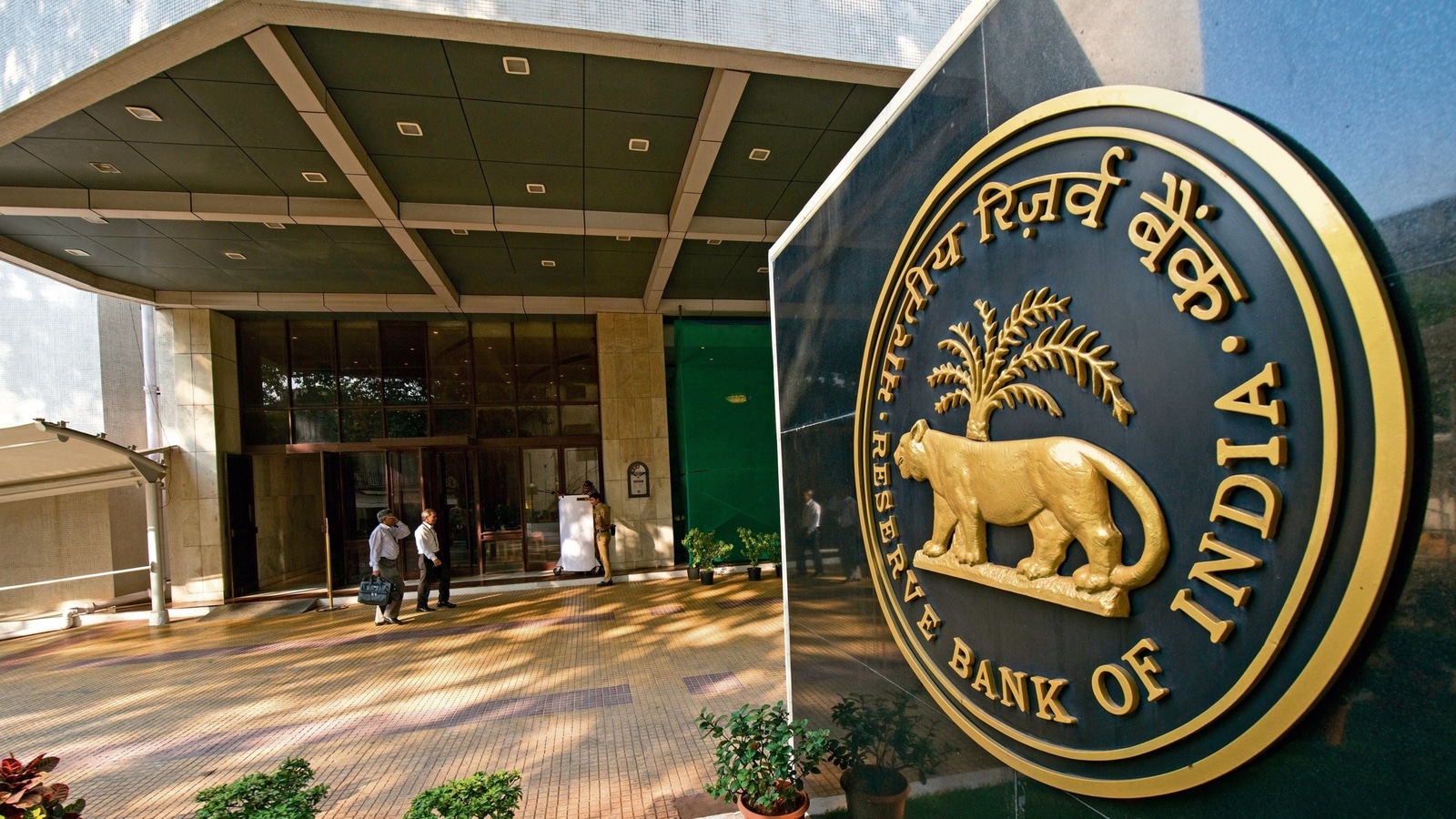
- The Reserve Bank of India (RBI) was established on April 1, 1935, when it was established by the Reserve Bank of India Act of 1934.
- Initially based in Calcutta, it serves as the apex monetary authority, regulator, and supervisor of India's financial system, exercising control over monetary policy, managing foreign exchanges, and overseeing payment and settlement systems.
- The establishment of the RBI was influenced by Dr. B.R. Ambedkar's seminal work, "The Problem of the Rupee – Its Origin and its Solution," and was founded based on the recommendations of the Hilton Young Commission in 1926.
- Beyond its regulatory functions, the RBI also plays a developmental role, acts as the issuer of currency, and functions as the banker to the Government of India.
The significant events in the history of the Reserve Bank of India
- The British government enacted the Reserve Bank of India Act in 1934, laying the foundation for the central bank's establishment.
- On April 1st 1935, the Reserve Bank of India commenced operations in Calcutta.
- In 1937 The RBI's headquarters were permanently relocated to Mumbai, where it continues to be situated.
- 1949 Following India's independence, the RBI underwent nationalization, transitioning from private ownership to being held by the Government of India. Before this, the bank had private stakeholders.
The preamble of the Reserve Bank of India (RBI) outlines the fundamental objectives and functions of the central bank. The preamble of the RBI Act 1934 states
"An Act to constitute a Reserve Bank for India to regulate the issue of Bank notes and the keeping of reserves to secure monetary stability in India and generally to operate the currency and credit system of the country to its advantage."
This preamble highlights the key roles and responsibilities of the RBI, which include:
- The RBI is responsible for regulating the issuance of currency notes in India. It ensures the stability and integrity of the currency system.
- The RBI is mandated to maintain adequate reserves to support monetary stability. This includes managing foreign exchange reserves and gold reserves.
- One of the primary objectives of the RBI is to secure monetary stability in India. This involves controlling inflation, managing interest rates, and promoting economic stability.
- The RBI operates and oversees the currency and credit system of the country. It plays a crucial role in managing liquidity, credit flow, and overall financial stability.
The objectives of the Reserve Bank of India (RBI) encompass a range of crucial functions aimed at ensuring the stability, growth, and integrity of India's financial and economic systems. These objectives include
- The RBI is tasked with overseeing and regulating the nation's currency and credit system to ensure smooth financial operations and effective credit flow throughout the economy.
- One of the primary goals of the RBI is to safeguard monetary stability in India by managing reserves effectively and implementing policies that control inflation and stabilize the value of the currency.
- The RBI holds the responsibility of issuing banknotes, maintaining their quality, and managing their circulation across the country to facilitate efficient financial transactions.
- The RBI works diligently to maintain financial stability by engaging in prudent activities and insulating itself from undue political influences. This independence allows it to make decisions based on economic considerations rather than political pressures.
- Through its policies and interventions, the RBI aims to support economic growth and contribute to the planned advancement of the country's economy, fostering a conducive environment for sustainable development.
- The RBI acts as the banker to commercial banks, providing them with essential services such as clearing and settlement. It also serves as the banker to the government, managing its accounts, facilitating transactions, and helping in debt management. Additionally, it serves as the primary authority for issuing currency notes, ensuring the smooth functioning of the monetary system.
The structure of the Reserve Bank of India consists of various components that work together to fulfil the central bank's functions and responsibilities.
Central Board of Directors
- The Central Board of Directors is the supreme decision-making body of the RBI.
- It comprises official directors, including the Governor, Deputy Governors, and other senior officials, as well as non-official directors appointed by the Government of India.
- The Central Board oversees the overall functioning of the RBI, including formulating policies, supervising operations, and managing key functions.
Governor
- The Governor is the highest-ranking official in the RBI and is appointed by the Government of India.
- The Governor plays a crucial role in setting monetary policy, representing the RBI in various forums, and managing the day-to-day operations of the central bank.
- The Governor chairs meetings of the Central Board and is responsible for executing RBI's policies and decisions.
Deputy Governors
- The RBI typically has four Deputy Governors, each responsible for specific areas such as monetary policy, banking regulation, currency management, and internal operations.
- Deputy Governors assist the Governor in policy formulation, decision-making, and overseeing key functions of the RBI.
Departments and Wings
- Monetary Policy Department Formulates and implements monetary policies, manages interest rates and monitors economic indicators.
- Department of Banking Regulation Regulates and supervises banks and financial institutions, enforces prudential norms, and ensures financial stability.
- Department of Currency Management Manages currency issuance, circulation, and coinage operations.
- Foreign Exchange Department Manages foreign exchange reserves, formulates exchange rate policies, and regulates foreign exchange transactions.
- Financial Stability Unit Monitors systemic risks, assesses financial stability, and coordinates efforts to maintain a stable financial system.
- Information Technology (IT) Department Manages IT infrastructure, digital banking initiatives, and cybersecurity measures.
Regional Offices
- The RBI has regional offices located in major cities across India.
- These regional offices play a vital role in implementing RBI policies at the grassroots level, supervising regional banks, and addressing regional banking and financial issues.
Committees and Advisory Groups
- The RBI forms various committees and advisory groups to provide expert advice, conduct research, and make recommendations on specific areas such as monetary policy, financial inclusion, risk management, and regulatory reforms.
- Examples include the Monetary Policy Committee (MPC), Board for Financial Supervision (BFS), and Internal Working Groups (IWGs) on various policy matters.
Autonomous Boards and Subsidiaries
- The RBI also oversees autonomous boards and subsidiaries that focus on specialized functions such as regulation of non-banking financial companies (NBFCs), development finance, and financial inclusion.
- Examples include the National Bank for Agriculture and Rural Development (NABARD), National Housing Bank (NHB), and Bharatiya Reserve Bank Note Mudran Private Limited (BRBNMPL).
Monetary Policy Formulation and Implementation
- The RBI formulates and implements monetary policy to achieve price stability and promote sustainable economic growth.
- It sets key policy rates such as the repo rate, reverse repo rate, and marginal standing facility (MSF) rate to influence liquidity conditions and interest rates in the economy.
- The RBI also conducts open market operations (OMOs) to manage liquidity in the financial system.
Currency Issuance and Management
- The RBI is responsible for issuing currency notes and coins in India. It ensures an adequate supply of currency to meet the demand for cash transactions.
- It manages the distribution, circulation, and withdrawal of currency to maintain its integrity and prevent counterfeiting.
- The RBI regulates and supervises banks, non-banking financial companies (NBFCs), payment banks, small finance banks, and other financial institutions.
- It sets prudential norms, capital adequacy requirements, and risk management guidelines to ensure the stability and soundness of the financial system.
- The RBI conducts regular inspections, audits, and surveillance to assess compliance with regulatory standards and address potential risks.
Foreign Exchange Management
- The RBI manages India's foreign exchange reserves to support external trade, maintain exchange rate stability, and meet international payment obligations.
- It formulates policies and regulations governing foreign exchange transactions, capital flows, and external borrowings.
- The RBI intervenes in the foreign exchange market to stabilize the rupee and prevent excessive volatility in the exchange rate.
Developmental Role
- The RBI plays a developmental role by promoting financial inclusion, expanding access to banking services, and fostering the development of the financial sector.
- It implements initiatives such as priority sector lending, microfinance, and financial literacy programs to address the needs of underserved segments of the population.
- The RBI also supports the development of financial infrastructure, including payment systems, credit information bureaus, and regulatory frameworks for emerging sectors such as fintech.
Regulation of Payment and Settlement Systems
- The RBI regulates and oversees payment and settlement systems in India to ensure efficiency, safety, and reliability in financial transactions.
- It operates and manages key payment systems such as the Real-Time Gross Settlement (RTGS) system, National Electronic Funds Transfer (NEFT), and Unified Payments Interface (UPI).
- The RBI sets standards, guidelines, and regulations for participants in payment systems and monitors their compliance to mitigate systemic risks.
Financial Stability and Systemic Risk Management
- The RBI monitors and assesses systemic risks in the financial system to maintain financial stability.
- It conducts stress tests, risk assessments, and scenario analyses to identify vulnerabilities and take preventive measures.
- The RBI collaborates with other regulatory authorities and participates in international forums to address global financial stability issues.
The Reserve Bank of India (RBI) administers several key acts and regulations that govern various aspects of the banking, financial, and monetary system in India.
- The Reserve Bank of India Act, 1934 establishes the RBI as India's central bank and outlines its functions, powers, and governance structure.
- Public Debt Act, 1944/Government Securities Act, 2006 regulate the issuance, management, and trading of government securities in India. They provide the legal framework for government borrowing and debt management.
- Government Securities Regulations, 2007 supplement the Government Securities Act, 2006, and provide detailed guidelines for the issuance, trading, and settlement of government securities.
- Banking Regulation Act, 1949 empowers the RBI to regulate and supervise banks and banking activities in India. It covers aspects such as licensing, operations, governance, and resolution of banking crises.
- Foreign Exchange Management Act, 1999 (FEMA) governs foreign exchange transactions, capital flows, and external trade-related payments. The RBI administers FEMA and issues regulations to manage India's foreign exchange reserves and control cross-border transactions.
- Securitisation and Reconstruction of Financial Assets and Enforcement of Security Interest Act, 2002 (Chapter II) deals with the securitization and reconstruction of financial assets and enforcement of security interests by banks and financial institutions. The RBI oversees compliance with Chapter II of this act.
- Credit Information Companies (Regulation) Act, 2005 regulates credit information companies (CICs) that collect and disseminate credit-related information. The RBI supervises CICs and ensures compliance with data protection and consumer rights standards.
- Payment and Settlement Systems Act, 2007 provides the legal framework for regulating payment and settlement systems in India. The RBI administers and supervises payment systems to ensure their safety, efficiency, and reliability.
- Payment and Settlement Systems Regulations, 2008 regulations supplement the Payment and Settlement Systems Act, 2007, and provide detailed rules and procedures for payment system operators, participants, and settlement processes.
- Factoring Regulation Act, 2011 regulates and promotes factoring services, which involve the purchase and management of receivables or invoices. The RBI oversees compliance with the Factoring Regulation Act.
The Reserve Bank of India (RBI) undertakes various initiatives to promote financial stability, inclusion, and economic growth in India.
Financial Inclusion
- The RBI encourages banks to provide microloans to small businesses and low-income individuals.
- Initiatives like Pradhan Mantri Jan Dhan Yojana (PMJDY) are supported to expand bank accounts and financial services in rural areas.
- The RBI simplifies regulations and promotes digital banking to make financial services more accessible.
Consumer Protection
- The RBI conducts awareness campaigns and provides resources to educate citizens about financial products and safe banking practices.
- The Integrated Ombudsman Scheme allows customers to file complaints against banks and financial institutions.
- The RBI sets guidelines for bank charges to ensure transparency and fairness for consumers.
Financial Regulation and Development
- The RBI uses monetary policy tools like interest rates to manage inflation and promote economic growth.
- Regular inspections and regulations ensure the smooth functioning and financial stability of banks.
- The RBI implements reforms to address emerging challenges and strengthen the financial system.
Digital Payments
- The RBI supports initiatives like UPI (Unified Payments Interface) to facilitate cashless transactions and financial inclusion.
- Guidelines and regulations are issued to enhance the security of digital banking platforms.
- The RBI encourages innovation in the digital payments space to improve efficiency and convenience.
Other Initiatives
- Financial Literacy Weeks-focused campaigns are organized to raise awareness on specific financial topics every year.
- The RBI takes steps to promote the development of a healthy and efficient financial market ecosystem.
- The RBI manages India's foreign exchange reserves to maintain a stable exchange rate.
The Reserve Bank of India (RBI) regularly publishes a wide range of reports, publications, and research papers covering various aspects of the economy, financial markets, banking sector, and monetary policy.
- The RBI's Annual Report provides a comprehensive overview of the Indian economy, monetary policy developments, financial stability assessments, and the central bank's operations and initiatives throughout the year. It includes financial statements, policy reviews, and analysis of economic indicators.
- The RBI publishes bi-monthly Monetary Policy Reports, which contain detailed assessments of macroeconomic conditions, inflation projections, monetary policy decisions, and policy stance. These reports provide insights into the RBI's outlook and strategies for managing monetary policy.
- The Financial Stability Report (FSR) is published bi-annually by the RBI and assesses the overall stability of the financial system, including banking sector health, asset quality trends, risk assessments, and policy recommendations to mitigate systemic risks.
- The RBI releases various statistical publications, including the Handbook of Statistics on the Indian Economy, Monthly Bulletin, and Reports on Currency and Finance. These publications provide comprehensive data and analysis on key economic and financial indicators, monetary aggregates, and sectoral trends.
- The RBI publishes occasional papers, research studies, and working papers on topics related to monetary economics, financial markets, banking regulation, payment systems, and economic policy. These publications contribute to the central bank's research agenda and policy formulation.
- The RBI issues reports and guidelines on regulatory frameworks for banks, non-banking financial companies (NBFCs), payment systems, and other financial institutions. These include circulars, notifications, and reports on regulatory developments, prudential norms, and compliance requirements.
- The RBI Governor, Deputy Governors, and senior officials deliver speeches, addresses, and presentations at various forums, conferences, and seminars. These speeches provide insights into the RBI's policy priorities, perspectives on economic issues, and guidance on financial sector developments.
- The RBI conducts public awareness campaigns and educational initiatives to promote financial literacy, consumer protection, and awareness about banking services, digital payments, and financial products. These campaigns aim to empower individuals with knowledge and skills for informed financial decision-making.
|
For Prelims: RBI, Monetary Policy, Pradhan Mantri Jan Dhan Yojana, UPI
For Mains:
1. The rise of digital payments has significantly transformed the financial landscape in India. Discuss the role of the RBI in facilitating and regulating digital payments. What are the key challenges associated with digital payments? (250 Words)
2. Analyse the relationship between the RBI and the Government of India. Discuss the importance of maintaining the central bank's independence for effective monetary policy implementation. (250 Words)
3. The RBI plays a crucial role in regulating and supervising banks and financial institutions. Explain the different functions performed by the RBI in ensuring financial stability. (250 Words)
|
|
Previous Year Questions
1. With reference to the Indian economy, consider the following statements: (UPSC 2022)
1. An increase in the Nominal Effective Exchange Rate (NEER) indicates the appreciation of the rupee.
2. An increase in the Real Effective Exchange Rate (REER) indicates an improvement in trade competitiveness.
3. An increasing trend in domestic inflation relative to inflation in other countries is likely to cause an increasing divergence between NEER and REER.
Which of the above statements are correct?
A. 1 and 2 only B. 2 and 3 only C. 1 and 3 only D. 1, 2 and 3
2. With reference to Indian economy, consider the following statements: (UPSC 2015) 1. The rate of growth of Real Gross Domestic Product has steadily increased in the last decade.
2. The Gross Domestic Product at market prices (in rupees) has steadily increased in the last decade.
Which of the statements given above is/are correct? (a) 1 only (b) 2 only (c) Both 1 and 2 (d) Neither 1 nor 2
3. Which one of the following activities of the Reserve Bank of India is considered to be part of 'sterilization’? (UPSC 2023) (a) Conducting 'Open Market Operations' (b) Oversight of settlement and payment systems (c) Debt and cash management for the Central and State Governments (d) Regulating the functions of Non-banking Financial Institutions
4. In India, which one of the following is responsible for maintaining price stability by controlling inflation? (UPSC 2022) (a) Department of Consumer Affairs (b) Expenditure Management Commission (c) Financial Stability and Development Council (d) Reserve Bank of India
5. With reference to India, consider the following statements: (UPSC 2021) 1. Retail investors through demat account can invest in ‘Treasury Bills’ and ‘Government of India Debt Bonds’ in primary market.
2. The ‘Negotiated Dealing System-Order Matching’ is a government securities trading platform of the Reserve Bank of India.
3. The ‘Central Depository Services Ltd.’ is jointly promoted by the Reserve Bank of India and the Bombay Stock Exchange.
Which of the statements given above is/are correct? (a) 1 only (b) 1 and 2 only (c) 3 only (d) 2 and 3 only
6. Consider the following statements (UPSC 2021) 1. The Governor of the Reserve Bank of India (RBI) is appointed by the Central Government.
2. Certain provisions in the Constitution of India give the Central Government the right to issue directions to the RBI in public interest.
3. The Governor of the RBI draws his power from the RBI Act.
Which of the above statements are correct? (a) 1 and 2 only (b) 2 and 3 only (c) 1 and 3 only (d) 1, 2 and 3 Answers: 1-C, 2-B 3-A, 4-A, 5-B, 6-C |
RAT HOLE MINING

- Rat-hole mining is a method of coal mining, particularly prevalent in the northeastern state of Meghalaya in India. It involves digging narrow, vertical pits or small horizontal tunnels into the ground to extract coal from thin seams. These pits, often no larger than a single person can fit into, resemble the size of holes used by rats, hence the name "rat-hole mining."
- Miners typically descend into these small pits using ropes, ladders, or makeshift structures. Once underground, they manually extract the coal using basic tools like pickaxes, shovels, and baskets. The extracted coal is then brought to the surface for processing and transportation.
- This form of mining is characterized by its hazardous working conditions, lack of safety measures, and environmental concerns due to the unregulated nature of the operations. Additionally, it often leads to issues such as land degradation, soil erosion, and risks of accidents for the miners involved
- Rat hole mining, commonly seen in Meghalaya, involves extracting coal from narrow, flat layers in the ground. The term "rat hole" specifically describes these tight pits dug into the earth, usually just big enough for one person to enter and collect coal.
- After digging these pits, miners descend using ropes or bamboo ladders to access the coal layers. Using basic tools like pickaxes, shovels, and baskets, they manually extract the coal. Another method within rat-hole mining, known as box-cutting, involves creating rectangular openings ranging from 10 to 100 square meters.
- From these openings, vertical pits are dug, reaching depths of 100 to 400 feet. Once the coal seam is located, small tunnels resembling rat holes are carved horizontally to facilitate coal extraction by the workers
- Rat hole mining poses significant safety and environmental hazards. The mines are typically unregulated, lacking safety measures such as proper ventilation, structural support, or safety gear for the workers.
- Additionally, the mining process can cause land degradation, deforestation, and water pollution.
- This method of mining has faced severe criticism due to its hazardous working conditions, environmental damage, and numerous accidents leading to injuries and fatalities.
- Despite attempts by authorities to regulate or ban such practices, they often persist due to economic factors and the absence of viable alternative livelihoods for the local population
The order was in connection with Meghalaya, where this remained a prevalent procedure for coal mining. The state government then appealed the order in the Supreme Court.


