
STUBBLE BURNING
1. Context
2. What is Stubble?
Stubble refers to the leftover plant material, mainly crop residues, that remains in the field after the primary crop has been harvested. This includes the stems, leaves, and other organic material that is left behind.
Stubble burning is a common agricultural practice where farmers set fire to crop residues, such as straw and stubble, that remain in the field after the main crop (usually paddy or wheat) has been harvested. This practice is typically used as a quick and cost-effective method to clear the field for the next planting season. Stubble burning is particularly prevalent in regions with mechanized farming, where machines like combine harvesters leave behind a significant amount of crop residues.
3. Stubble burning contributes to air pollution
When stubble is burned, it releases a variety of pollutants into the air, including particulate matter, carbon monoxide, nitrogen oxides, and sulfur dioxide. These pollutants can cause several health problems, including respiratory problems, heart disease, and cancer.
Stubble burning is a major contributor to air pollution in many parts of the world. In India, for example, stubble burning is responsible for up to 30% of the air pollution in Delhi during the winter months.
- Stubble burning generates fine particulate matter (PM2.5 and PM10) that can penetrate deep into the respiratory system, leading to respiratory problems and reduced air quality.
- The combustion of stubble releases carbon monoxide, which can have adverse health effects when inhaled, particularly in enclosed spaces.
- Stubble burning produces Volatile Organic Compounds (VOCs), which can react with other pollutants in the atmosphere, contributing to the formation of ground-level ozone, a major air pollutant.
- Burning stubble emits greenhouse gases like carbon dioxide (CO2) and methane (CH4), contributing to climate change.
- The combustion of crop residues can release various hazardous chemicals and pollutants, further deteriorating air quality.
4. About the Central Scheme for the Promotion of Agricultural Mechanisation for In-Situ Management of Crop Residue
The Central Scheme on Promotion of Agricultural Mechanisation for In-Situ Management of Crop Residue (AMICMR) is a scheme launched by the Government of India to promote the use of in-situ techniques for managing crop residue. In-situ techniques are those that are used to manage crop residue on the field, rather than burning it. Examples of in-situ techniques include:
- Mulching is the practice of covering the soil with a layer of organic material, such as straw or leaves. This can help to suppress weeds, retain moisture, and improve soil health.
- Zero tillage is the practice of planting crops without tilling the soil. This can help to prevent soil erosion and retain moisture in the soil.
- Direct seeding is the practice of planting seeds directly into the soil, rather than transplanting seedlings. This can help to reduce soil disturbance and prevent the spread of weeds.
The AMICMR scheme provides financial assistance to farmers to purchase machinery that can be used for in-situ management of crop residue. The scheme also provides training and extension services to farmers on how to use these techniques.
The AMICMR scheme is a promising initiative that could help to reduce air pollution caused by stubble burning. However, the scheme needs to be scaled up and made more widely available to farmers to have a significant impact.
5. Conclusion
Stubble burning is a major contributor to air pollution in many parts of the world. However, there are several alternatives to stubble burning, such as in-situ management of crop residue. In-situ management of crop residue is a more sustainable way to manage stubble, as it does not release pollutants into the air and has several benefits for soil health and crop yields.
|
For Prelims: Stubble burning, air pollution, particulate matter, carbon monoxide, nitrogen oxides, sulfur dioxide, PM2.5, PM10, Volatile Organic Compounds, ozone, carbon dioxide, methane, Climate Change, The Central Scheme on Promotion of Agricultural Mechanisation for In-Situ Management of Crop Residue,
For Mains:
1. Critically evaluate the effectiveness of the Central Scheme on Promotion of Agricultural Mechanisation for In-Situ Management of Crop Residue (AMICMR) in addressing the issue of stubble burning in India. (250 Words)
|
|
Previous Year Questions 1. In the cities of our country, which among the following atmospheric gases are normally considered in calculating the value of Air Quality Index? ( UPSC 2016)
Select the correct answer using the code given below: (a) 1, 2 and 3 only (b) 2, 3 and 4 only (c) 1, 4 and 5 only (d) 1, 2, 3, 4 and 5 Answer: B 2. Acid rain is caused by the pollution of the environment (UPSC 2013, 2022) (a) Carbon Dioxide and Nitrogen (b) Carbon Monoxide and Carbon Dioxide (c) Ozone and Carbon Dioxide (d) Nitrous Oxide and Sulphur Dioxide Answer:D 3. Biological Oxygen Demand (BOD) is a standard criterion for (UPSC 2017) (a) Measuring oxygen level in blood (b) Computing oxygen levels in forest ecosystems (c) Pollution assay in aquatic ecosystem (d) Assessing oxygen levels in high-altitude regions Answer: C 4. Consider the following: (UPSC 2019) 1. Carbon monooxide
2. Methane
3. Ozone
4. Sulphur dioxide
Which of the above are released into atmosphere due to the burning of crop/biomass residue? A. 1 and 2 only B. 2, 3 and 4 only C. 1 and 4 only D. 1, 2, 3 and 4 Answer: D 5. What is Particulate matter? (BPSC 2016) A. Solid residue B. Air pollutant C. Water pollutant D. Soil pollutant E. None of the above/More than one of the above Answer: B 6. Carbon monoxide is a poisonous gas because it: (OPSC OAS 2021) A. Binds to digestive hormones
B. Damages lungs
C. Destroys RBCs
D. Binds to haemoglobin
Answer: D 7. Consider the following statements: (UPSC 2019) 1. Agricultural soils release nitrogen oxides into environment.
2. Cattle release ammonia into environment.
3. Poultry industry releases reactive nitrogen compounds into environment.
Which of the statements given above is/are correct? A. 1 and 3 only B. 2 and 3 only C. 2 only D. 1, 2 and 3 Answer: D 8. In the context of WHO Air Quality Guidelines, consider the following statements: (UPSC 2022) 1. The 24-hour mean of PM2.5 should not exceed 15 μg/m³ and annual mean of PM2.5 should not exceed 5 μg/m³.
2. In a year, the highest levels of ozone pollution occur during the periods of inclement weather.
3. PM10 can penetrate the lung barrier and enter the bloodstream. 4. Excessive ozone in the air can trigger asthma.
Which of the statements given above are correct? A. 1, 3 and 4 B. 1 and 4 only C. 2, 3 and 4 D.1 and 2 only Answer: B 9. Which of the following is a VOC? (MP Vyapam Sub Engineer Mechanical 2022) A. Toulene B. Water C. Carbon dioxide D. Carbon monoxide Answer: A 10. Which of the following Volatile Organic Compounds (VOCs) are emitted from anthropogenic sources only? (UGC NET 2023) A. Isoprene
B. Benzene
C. Terpene
D. Methane
E. Toluene
1. A, B and C Only 2. B and E Only 3. A and C Only 4. C, D and E Only Answer: 2 11. Which one of the following is associated with the issue of control and phasing out of the use of ozone-depleting substance? (UPSC 2015) A. Bretton Woods Conference B. Montreal Protocol C. Kyoto Porotocol D. Nagoya Protocol Answer: B 12. The increasing amount of carbon dioxide in the air is slowly raising the temperature of the atmosphere, because it absorbs (UPSC 2012) A. the water vapour of the air and retains its heat
B. the ultraviolet part of the solar radiation
C. all the solar radiations
D. the infrared part of the solar radiation
Answer: D 13. Which of the following adds/add carbon dioxide to the carbon cycle on the planet Earth? (UPSC 2014) 1. Volcanic action
2. Respiration
3. Photosynthesis
4. The decay of organic matter
Select the correct answer using the code given below A. 1 and 3 only B. 2 only C. 1, 2 and 4 only D. 1, 2, 3 and 4 Answer: C 14. Which of the following statements are correct about the deposits of 'methane hydrate'? (UPSC 2019) 1. Global warming might trigger the release of methane gas from these deposits.
2. Large deposits of 'methane hydrate' are found in Arctic Tundra and under the seafloor.
3. Methane in atmosphere oxidizes to carbon dioxide after a decade or two.
Select the correct answer using the code given below: A. 1 and 2 only B. 2 and 3 only C. 1 and 3 only D. 1, 2 and 3 Answer: D 15. With reference to two non-conventional energy sources called 'coalbed methane' and 'shale gas' consider the following statements: (UPSC 2014) 1. Coalbed methane is the pure methane gas extracted from coal seams, while shale gas is a mixture of propane and butane only that can be extracted from fine-grained sedimentary rocks. 2. In India, abundant coalbed methane sources exist, but so far no shale gas sources have been found. Which of the statements given above is/are correct? A. 1 only B. 2 only C. Both 1 and 2 D. Neither 1 nor 2 Answer: D Mains
1. Describe the key points of the revised Global Air Quality Guidelines (AQGs) recently released by the World Health Organisation (WHO). How are these different from its last update in 2005? What changes in India’s National Clean Air Programme are required to achieve revised standards? ( UPSC 2021)
|
CLOUD SEEDING
Cloud seeding is a weather modification technique used to enhance precipitation by introducing seeding agents into clouds. Various methods are employed to disperse these agents, promoting the formation of precipitation. Here are some common cloud seeding methods:
Aerial Seeding:
-
- Aircraft Dispersion: Cloud seeding agents, such as silver iodide or other materials, are released into the atmosphere from aircraft. Flares or canisters containing the seeding agents are ignited and dispersed at appropriate cloud levels. The aircraft may fly through clouds or release seeding agents from above, depending on the cloud characteristics.
Ground-Based Seeding:
-
-
Ground-Based Generators: These are stationed on the ground to release seeding agents into the atmosphere. These generators may use flares or other mechanisms to disperse the seeding agents vertically into the air. Ground-based seeding is often employed in areas where aircraft may not be practical or cost-effective.
-
Rocket Launches: Some cloud seeding programs use rockets equipped with seeding agents to reach specific altitudes in the atmosphere. The rockets are launched from the ground and disperse the seeding agents into the target clouds.
-
Hygroscopic Flares:
-
- Hygroscopic Materials: Certain seeding agents, known as hygroscopic materials, have an affinity for water vapor. These materials can absorb moisture from the air, promoting the coalescence of water droplets and eventually precipitation. Calcium chloride is an example of a hygroscopic material used in cloud seeding.
Remote Sensing and Monitoring:
-
-
Weather Radar: Meteorologists use weather radar to monitor cloud development and precipitation patterns. This information helps identify suitable clouds for seeding and assess the effectiveness of cloud seeding operations.
-
Weather Balloons and Instruments: Instruments carried by weather balloons provide data on atmospheric conditions, helping meteorologists determine the feasibility of cloud seeding. These instruments measure factors such as temperature, humidity, and wind speed at different altitudes.
-
Natural Ice Nuclei:
-
- Collecting Natural Ice Nuclei: In some cases, natural ice nuclei (particles that can initiate the freezing of water droplets) are collected and dispersed into clouds to encourage the formation of ice crystals. This method is less common than using artificial seeding agents.
Cloud seeding is primarily employed to enhance precipitation in specific regions, and it has applications in various fields. Some notable applications of cloud seeding include:
Water Resource Management:
-
- Increased Precipitation: Cloud seeding aims to boost rainfall or snowfall in targeted areas, contributing to increased water resources. This is particularly valuable in regions facing water scarcity or drought conditions.
Agriculture:
-
- Enhanced Crop Irrigation: Increased precipitation resulting from cloud seeding can benefit agriculture by providing additional water for crop irrigation. This is especially significant in arid or semi-arid regions where water availability is a limiting factor for agricultural productivity.
Water Supply Augmentation:
-
- Reservoir Replenishment: Cloud seeding can help replenish reservoirs and aquifers, contributing to the augmentation of water supplies for domestic, industrial, and agricultural use.
Snowpack Augmentation:
-
- Winter Sports Industry: In mountainous regions, cloud seeding is sometimes employed to enhance snowpack, particularly for ski resorts and winter sports areas. Increased snowfall can extend the winter season and improve conditions for skiing and other activities.
Forest Fire Prevention:
-
- Reducing Fire Risk: In certain cases, cloud seeding is explored as a tool for reducing the risk of forest fires. By inducing precipitation, especially in dry and fire-prone areas, the moisture content of vegetation may increase, lowering the likelihood of wildfires.
Air Quality Improvement:
-
- Particle Removal: Cloud seeding can contribute to the removal of particulate matter and pollutants from the atmosphere. The process of precipitation can capture particles and cleanse the air.
Research and Climate Studies:
-
- Scientific Investigations: Cloud seeding is sometimes used in scientific research to study cloud dynamics, precipitation processes, and atmospheric interactions. These studies help improve our understanding of weather patterns and climate systems.
Hydropower Generation:
-
- Improved Reservoir Levels: Increased precipitation resulting from cloud seeding can contribute to higher water levels in reservoirs, positively impacting hydropower generation.
Cloud seeding, despite its potential benefits, is a practice that comes with several challenges and considerations. Some of the key challenges involved in cloud seeding include:
Effectiveness and Unpredictability:
-
- The effectiveness of cloud seeding can be variable and is dependent on various factors such as cloud type, atmospheric conditions, and the presence of suitable seeding materials. Predicting the outcome of cloud seeding operations with certainty remains a challenge.
Ethical and Environmental Concerns:
-
- Cloud seeding involves the intentional modification of weather patterns, raising ethical and environmental questions. Concerns include potential unintended consequences, ecological impacts, and the ethical considerations of altering natural precipitation processes.
Public Perception and Acceptance:
-
- Cloud seeding initiatives may face public skepticism and opposition due to concerns about the unknown environmental impacts, the artificial manipulation of weather, and potential health effects of the seeding agents. Public acceptance is crucial for the success and continuation of cloud seeding programs.
Regulatory Approval:
-
- Implementing cloud seeding programs often requires regulatory approval and adherence to environmental regulations. Obtaining permits and addressing regulatory concerns can be a time-consuming and complex process.
Scientific Uncertainty:
-
- The scientific understanding of cloud seeding is still evolving, and uncertainties remain regarding its long-term effects, environmental impact, and overall effectiveness. Ongoing research is essential to address these uncertainties and improve the understanding of the practice.
Limited Scope and Scale:
-
- Cloud seeding is generally effective within certain weather conditions and specific cloud types. Its applicability may be limited to certain regions and may not work in all meteorological conditions.
Weather Variability:
-
- Natural weather variability can impact the success of cloud seeding. Unpredictable changes in atmospheric conditions, including wind patterns and temperature fluctuations, can influence the dispersion and effectiveness of seeding agents.
Technical Challenges:
-
- The technology involved in cloud seeding, including the delivery of seeding agents, can face technical challenges. For example, the dispersion of seeding agents from aircraft or ground-based generators must be carefully calibrated for optimal results.
Cost:
-
- Implementing and maintaining cloud seeding programs can be expensive. The costs include aircraft operations, ground-based generators, and the purchase of seeding materials. Cost-effectiveness is a consideration in the decision to pursue cloud seeding initiatives.
Data Collection and Monitoring:
-
- Adequate data collection and monitoring are essential for assessing the impact of cloud seeding. Establishing comprehensive monitoring systems to evaluate changes in precipitation patterns and environmental conditions requires significant resources and infrastructure
|
For Prelims: General issues on Environmental ecology
For Mains: General Studies III: Conservation, environmental pollution and degradation, environmental impact assessment
|
|
Previous Year Questions
1.In the context of which of the following do some scientists suggest the use of cirrus cloud thinning technique and the injection of sulphate aerosol into stratosphere? (UPSC CSE 2019) (a) Creating the artificial rains in some regions Answer (d)
|
DEFENCE ACQUISITION COUNCIL
1. Context
2. About the Defence Acquisition Council
The Defence Acquisition Council (DAC) is the apex body for all defence acquisitions in India. It was formed after recommendations made by the Group of Ministers on 'Reforming the National Security System' in 2001, post-Kargil war. The DAC is headed by the Defence Minister and comprises the following members:
- Chief of the Defence Staff (CDS)
- Secretary, Department of Defence Production
- Secretary, Finance
- Secretary, Defence Research and Development
- Controller General of Defence Accounts
- Other senior officers from the Ministry of Defence and the Services
The Role of the Defence Acquisition Council
The DAC's primary role is to:
- Accord approval for AoN (Acceptance of Necessity) for Capital Acquisition Proposals.
- Categorise the acquisition proposals into 'Buy, Buy & Make, & Make'.
- In-principle approval of 15-Year Long-Term Integrated Perspective Plan (LTPP) for Defence Forces.
- Delegate powers to Services/C&AS for the acquisition of items up to a certain value.
- Consider and approve other issues as may be referred to it by the Defence Minister.
Functions of the Defence Acquisition Council
The DAC's primary functions are to:
- Approve capital acquisitions for the Indian Armed Forces.
- Formulate and implement policies and procedures for defence acquisitions.
- Monitor the progress of defence acquisitions.
- Oversee the implementation of the Defence Procurement Procedure (DPP).
Reasons for the creation of the Defence Acquisitions Council
The DAC was created to address the following shortcomings of the previous defence acquisition system:
- Lack of a clear and transparent decision-making process.
- Delays in the procurement of defence equipment.
- Escalation of costs.
- Lack of coordination between different agencies involved in the procurement process.
3. About Defence acquisition
Defence acquisition is the process of acquiring goods and services for the Indian Armed Forces. It is a complex and time-consuming process that involves the identification of requirements, the preparation of specifications, the selection of vendors, the negotiation of contracts, and the delivery of equipment. The Indian defence acquisition process is governed by the Defence Procurement Procedure (DPP), which is a set of guidelines that outlines the process for acquiring defence equipment.
The key stages of the defence acquisition process:
- The first step is to identify the requirements of the Armed Forces. This is done through a detailed assessment of the operational needs of the Armed Forces and the availability of resources.
- Once the requirements have been identified, the next step is to prepare the specifications for the equipment to be acquired. The specifications must be clear, detailed, and unambiguous so that the vendors can understand what is required.
- The next step is to select the vendors who will be invited to participate in the bidding process. The vendors are selected based on their technical ability, financial strength, and experience.
- Once the vendors have been selected, the next step is to negotiate the contracts. The contracts must be fair and reasonable, and they must protect the interests of the government.
- The final step is to deliver the equipment to the Armed Forces. Once the equipment has been delivered, it must be tested and accepted by the Armed Forces.
4. The Defence Procurement Procedure (DPP)
The Defence Procurement Procedure (DPP) is the guideline for defence acquisitions in India. The DPP was first introduced in 2006 and has been revised several times since then. The DPP outlines the process for defence acquisitions, from the identification of a requirement to the final acceptance of a product.
The DPP is designed to ensure that defence acquisitions are conducted in a transparent, efficient, and cost-effective manner. The DPP also seeks to promote indigenous defence production and to maximize the involvement of Indian companies in the defence sector.
Key features of the DPP
- The DPP emphasizes the need for transparency in all stages of the defence acquisition process. This includes publishing all relevant documents online and making them available to the public.
- The DPP aims to streamline the defence acquisition process and reduce delays. This includes simplifying the tendering process and reducing the number of approvals required.
- The DPP seeks to ensure that defence acquisitions are conducted cost-effectively. This includes negotiating the best possible price for goods and services and promoting indigenous defence production.
- The DPP promotes indigenous defence production by giving preference to Indian companies in the tendering process. The DPP also provides incentives for Indian companies to invest in research and development.
- The DPP seeks to maximize the involvement of Indian companies in the defence sector. This includes encouraging Indian companies to form joint ventures with foreign companies.
5. The Way Forward
The DAC and the DPP play a vital role in ensuring that the Indian Armed Forces are equipped with the latest and best possible weapons and equipment. The DAC and the DPP are also important for promoting indigenous defence production and for maximizing the involvement of Indian companies in the defence sector.
|
For Prelims: Defence Acquisition Council, Defence Procurement Procedure, Light Combat Aircraft, Tejas Mk 1 A and 156, Light Combat Helicopters, Hindustan Aeronautics Limited, Kargil war
For Mains:
1. Critically analyze the role of the Defence Acquisition Council (DAC) in streamlining and expediting defence acquisitions in India. (250 Words)
|
|
Previous Year Questions
1. The Light Combat Aircraft (LCA) designed and developed by HAL is also known as (MP Police Constable 2017)
A. Suryakiran B. Aryabhatta C. Tejas D. Prakash
2. Which of the following statements is true about the recent procurement of Tejas fighter’s aircraft by IAF? (IB ACIO Grade II 2021)
(1) The IAF has recently purchased 83 Tejas fighters aircraft from HAL
(2) The total deal is Rs. 78,000-crore
A. 1 only B. Neither 1 nor 2 C. Both 1 and 2 D. 2 only
3. What is the name of India's indigenously built Light Combat Helicopter? (OSSC BSSO 2022)
A. Nag B. Trishul C. Prachand D. Agni
4. The headquarters of the Hindustan Aeronautics Limited is located at _______________. (MP Police Constable 2017)
A. Chennai B. Bengaluru C. Dewas D. Koraput
5. What was Kargil war otherwise known as? (MP Patwari 2017)
A. Operation Vijay B. Operation Vishwas C. Operation Shaurya D. Operation Paramveer
Answers:1-C, 2-A, 3-C, 4-B 5-A
Mains
1. Analyze the circumstances that led to the Tashkent Agreement in 1966. Discuss the highlights of the Agreement. (UPSC 2013)
|
BLACKBUCKS
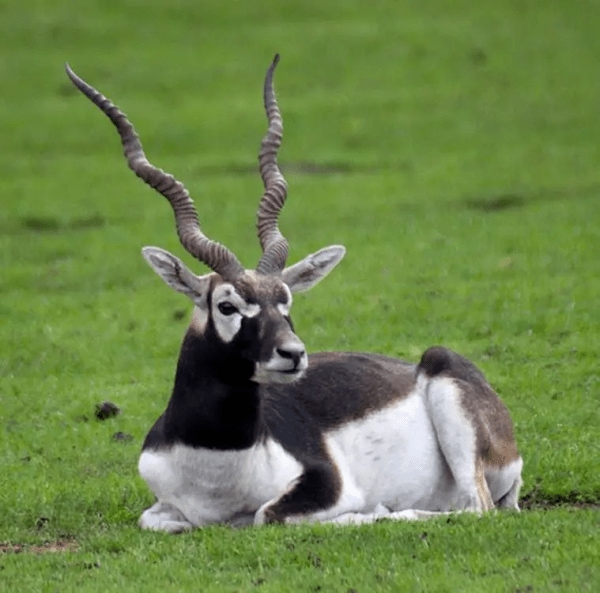
- The blackbuck is a species of antelope native to the Indian subcontinent, known for its striking appearance and graceful movements. Scientifically called Antilope cervicapra, it is easily recognizable by the contrasting colors of its coat — the males have dark brown to black upper parts with white underparts and a white ring around the eyes, while the females and young ones are usually light brown or fawn-colored.
- One of the most distinctive features of the male blackbuck is its long, spiraled horns, which can grow up to 70 centimeters in length and are twisted in a “V” shape.
- Blackbucks are primarily found in grasslands and open plains, often grazing in herds. They are herbivores that feed mainly on grasses, pods, and fruits. Once widespread across India, their population declined sharply due to hunting and habitat loss, leading to their protection under the Wildlife Protection Act of 1972.
- Today, they are classified as “Least Concern” by the IUCN but remain a Schedule I species in India, offering them the highest level of legal protection.
- Culturally, the blackbuck holds significance in several Indian traditions and religions, often associated with Lord Krishna and revered in regions like Rajasthan.
- Conservation efforts in national parks and sanctuaries such as Velavadar (Gujarat) and Ranibennur (Karnataka) have helped stabilize their populations, making the blackbuck a symbol of India’s commitment to preserving its natural heritage
- The blackbuck (Antilope cervicapra) is currently classified as “Least Concern” on the IUCN Red List of Threatened Species, meaning it is not globally endangered at present.
- However, within India, it enjoys the highest legal protection under Schedule I of the Wildlife Protection Act, 1972, similar to tigers and elephants. This strict protection makes hunting, trading, or capturing blackbucks a punishable offense.
- While their numbers have recovered in several protected areas due to conservation measures and community efforts, habitat loss, poaching, and human–wildlife conflict still pose local threats
4. What are the challenges to blackbuck populations in India?
- The blackbuck population in India faces several challenges despite legal protection and conservation success in some regions.
- One major threat is habitat loss and fragmentation. As grasslands and open scrublands — the blackbuck’s natural habitats — are converted into agricultural fields, industrial areas, and urban settlements, their feeding and breeding grounds shrink. This reduces the space available for large herds to roam freely and increases competition for resources.
- Another significant challenge is poaching, mainly for their meat, skin, and horns. Although hunting blackbucks is banned under the Wildlife Protection Act, illegal hunting still occurs in some areas.
- Human–wildlife conflict has also grown, especially in agricultural zones near protected areas. Blackbucks sometimes graze on crops, leading to retaliation from farmers.
- Additionally, fencing and road construction disrupt their migration routes and cause accidental deaths due to vehicle collisions. Predation by feral dogs in rural landscapes further affects fawn survival rates.
- Lastly, changing land-use patterns and loss of grassland ecosystems — often misclassified as “wastelands” in policy frameworks — remain long-term ecological threats.
- In summary, while conservation efforts have helped stabilize blackbuck populations in protected areas, sustaining them across India requires grassland conservation, community-based management, and effective mitigation of human–wildlife conflicts
5. What steps has the government taken to conserve blackbucks?
- The Government of India has undertaken several important measures to conserve blackbucks (Antilope cervicapra), focusing on legal protection, habitat management, and community involvement.
- First and foremost, the species is placed under Schedule I of the Wildlife Protection Act, 1972, which grants it the highest level of legal protection, making hunting, trading, or capturing blackbucks a serious criminal offense. This legislative safeguard has been instrumental in curbing poaching and illegal trade.
- The government has also established protected areas and wildlife sanctuaries dedicated to grassland conservation, where blackbucks naturally thrive.
- Notable examples include the Velavadar Blackbuck National Park in Gujarat, Ranibennur Blackbuck Sanctuary in Karnataka, Point Calimere Wildlife Sanctuary in Tamil Nadu, and Krishna Wildlife Sanctuary in Andhra Pradesh. These areas provide secure habitats for breeding and foraging.
- Additionally, several state forest departments have launched conservation and awareness programs to engage local communities and farmers, encouraging coexistence and discouraging retaliatory actions when blackbucks graze on crops. In some regions, eco-development programs and compensation schemes for crop loss have been introduced to reduce conflict.
- The government also supports scientific research and monitoring through institutions like the Wildlife Institute of India (WII), helping track population trends, habitat use, and threats to the species.
- Overall, these steps — combining strong legal protection, habitat preservation, and community participation — have contributed significantly to stabilizing blackbuck populations in India, making it one of the country’s notable conservation success stories
6. Bishnoi Community
.png)
- The Bishnoi community is one of India’s oldest and most remarkable examples of environmental conservation through faith and tradition.
- Originating in the 15th century in the Thar Desert region of Rajasthan, the community was founded by Guru Jambheshwar (also known as Jambhoji), who laid down 29 principles (from which the word Bishnoi — meaning “twenty-nine” — is derived). These principles emphasize compassion for all living beings, protection of the environment, and a sustainable way of life.
- At the heart of Bishnoi philosophy is reverence for nature. The community strictly prohibits the cutting of green trees and the killing of animals, especially blackbucks and chinkaras, which they regard as sacred. Bishnois believe that protecting these species maintains the balance of nature and honors the divine.
- Historically, the Bishnois have demonstrated extraordinary commitment to environmental ethics. The most famous example is the Khejarli Massacre of 1730, when Amrita Devi Bishnoi and over 360 Bishnoi villagers sacrificed their lives while trying to prevent royal soldiers from cutting down Khejri trees — a sacred species central to their ecosystem. This act is considered one of the earliest recorded movements for environmental protection in the world.
- Even today, the Bishnoi community actively works to protect wildlife and forests, often rescuing injured animals, reporting poachers, and maintaining informal sanctuaries around their villages. Their efforts have been crucial in sustaining blackbuck populations in western India, especially in Rajasthan, where herds often roam freely near Bishnoi settlements
|
For Prelims : IUCN, Critically endangered, Bishnoi community
For Mains: GS III - Environment & Ecology
|
GRADED RESPONSE ACTION PLAN(GRAP)
1.Context
2.What is a Graded Response Action Plan (GRAP)
3.Has GRAP Helped?
- The biggest success of GRAP has been in fixing accountability and deadlines.
- For each action to be taken under a particular air quality category, executing agencies are marked.
- In a territory like Delhi, where a multiplicity of authorities has been a long-standing impediment to effective governance, this step made a crucial difference.
4.Measures that are taken in other states
- one criticism of the EPCA, as well as GRAP, has been the focus on Delhi. While other states have managed to delay several measures, citing a lack of resources, Delhi has always been the first to have stringent measures enforced.
- When the air quality shifts from poor to very poor, the measures listed under both sections have to be followed since the plan is incremental in naturality reaches the severe+ stage, GRAP talks about shutting down schools and implementing the odd-even road-space rationing scheme.
5.Actions under GRAP
Severe+ or Emergency |
(PM 2.5 OVER 300 300 µg/cubic metre or PM10 over 500µg/cu. m. for 48+ hours)
|
Severe |
(PM 2.5 OVER 250µg/cu. m. or PM10 over 430 µg/cu. m. )
|
Very Poor |
(PM2.5 121-250 µg/cu. m. or PM10 351-430 µg/cu.m. )
|
Moderate to Poor |
(PM2.5 61-120 µg/cu. m. or PM10 101-350 µg/cu. m.)
|
- The AQI is a colour-coded index launched under the Swachh Bharat campaign to simplify the understanding of pollution levels.
- It helps convey the condition of the air and guides appropriate measures based on the severity of pollution.
- The AQI consists of six categories, each with a corresponding colour code: 'Good' (0-50), 'Satisfactory' (51-100), 'Moderately Polluted' (101-200), 'Poor' (201-300), 'Very Poor' (301-400) and 'Severe' (401-500).

7. Commission for Air Quality Management (CAQM)
- The Commission for Air Quality Management (CAQM) was established by the Government of India in October 2020 to address the persistent and severe problem of air pollution in the National Capital Region (NCR) and adjoining states.
- It was later given statutory backing through the Commission for Air Quality Management in National Capital Region and Adjoining Areas Act, 2021. The Commission functions under the Ministry of Environment, Forest and Climate Change (MoEFCC).
- The CAQM was created in response to the recurring air pollution crisis in Delhi and surrounding areas, which often see hazardous air quality levels, especially during the winter months.
- The problem is aggravated by factors such as stubble burning in Punjab and Haryana, industrial and vehicular emissions, and construction dust. Earlier, multiple agencies such as the Central Pollution Control Board (CPCB), state pollution control boards, and environment departments operated independently, leading to poor coordination and weak enforcement. The CAQM was envisioned as a centralized, permanent body to unify and coordinate efforts across states.
- The Commission’s jurisdiction extends to Delhi, Punjab, Haryana, Rajasthan, and Uttar Pradesh, covering areas adjoining the NCR. It is headed by a Chairperson appointed by the Central Government—typically a former Secretary to the Government of India or a Chief Secretary of a state.
- The body includes representatives from central ministries, state governments, the CPCB, ISRO, and NITI Aayog, along with experts in environmental science and pollution control.
- The CAQM is responsible for monitoring, coordinating, and implementing air quality management plans across its jurisdiction. It formulates policies to prevent and control air pollution, enforces existing environmental laws, and ensures that central, state, and local authorities act in a coordinated manner.
- The Commission also plays a critical role in tackling stubble burning, a major seasonal contributor to pollution in northern India. It has the authority to issue directions to central, state, and local authorities, and its orders override those of other agencies within its jurisdiction. Moreover, the Commission possesses powers of a civil court, enabling it to summon individuals, demand documents, and take punitive actions against violators.
- The establishment of CAQM marks an important step in India’s environmental governance. By creating a single authority with comprehensive powers, the government sought to move away from fragmented approaches and ensure consistent, region-wide enforcement.
- However, despite its potential, the Commission faces challenges such as jurisdictional overlaps, limited manpower, and the lack of strong enforcement mechanisms at the local level. Successful functioning of CAQM ultimately depends on the cooperation of states, technological monitoring, and public awareness
For Prelims and Mains
|
For Prelims: Graded Response Action Plan, National Capital Region (NCR),Environmental pollution(prevention control)Authority (EPCA).
For Mains:
1. What is GRAP? What is the Delhi-NCR action plan as air pollution increases? (250 words).
|
|
Previous Year Questions
1.In the cities of our country, which among the following atmospheric gases are normally considered in calculating the value of the Air Quality Index? (2016)
Select the correct answer using the code given below: (a) 1, 2 and 3 only (b) 2, 3 and 4 only (c) 1, 4 and 5 only (d) 1, 2, 3, 4 and 5 Answer (b) |
GREENHOUSE GASES(GHGs)
Greenhouse gases are gases that trap heat in the Earth's atmosphere, leading to the greenhouse effect and contributing to global warming. These gases include carbon dioxide (CO2), methane (CH4), nitrous oxide (N2O), ozone (O3), and fluorinated gases (such as hydrofluorocarbons, perfluorocarbons, sulfur hexafluoride, and nitrogen trifluoride).
These gases allow sunlight to enter the Earth's atmosphere freely. Once absorbed, the Earth's surface emits infrared radiation, but instead of allowing this radiation to escape back into space, greenhouse gases trap and re-radiate some of it back towards the Earth's surface. This process warms the Earth's surface and lower atmosphere, leading to the greenhouse effect.
Human activities, such as the burning of fossil fuels, deforestation, and industrial processes, have significantly increased the concentration of greenhouse gases in the atmosphere, amplifying the greenhouse effect and contributing to global climate change
Here are the major greenhouse gases:
- Carbon dioxide (CO2): The most abundant greenhouse gas emitted through human activities. It is released when fossil fuels like coal, oil and natural gas are burned
- Methane (CH4): Methane is emitted from agriculture, waste decomposition, and fossil fuel production. It is a more potent greenhouse gas than CO2, but it breaks down in the atmosphere more quickly
- Nitrous oxide (N2O): Nitrous oxide is emitted from agriculture, industrial processes, and burning fossil fuels. It is a long-lived greenhouse gas that can stay in the atmosphere for centuries
- Fluorinated gases These are man-made chemicals used in refrigerants, air conditioners, and fire extinguishers. They are very potent greenhouse gases, but they are emitted in much smaller quantities than other greenhouse gases
- Water vapor (H2O): The most abundant greenhouse gas in the atmosphere. Water vapor plays an important role in the natural greenhouse effect, but human activities do not significantly affect the amount of water vapor in the atmosphere

3. What is the Greenhouse gas effect?
The greenhouse effect is a natural process that occurs when certain gases in the Earth's atmosphere trap heat from the sun. This process is essential for maintaining the Earth's temperature within a range suitable for life. Without the greenhouse effect, the Earth would be much colder, and life as we know it would not exist.
Here's how the greenhouse effect works:
-
Solar radiation: Sunlight reaches the Earth's atmosphere and passes through it, warming the Earth's surface.
-
Absorption and re-radiation: The Earth's surface absorbs some of this solar energy and then emits it as infrared radiation (heat). Greenhouse gases in the atmosphere, such as carbon dioxide (CO2), methane (CH4), water vapor (H2O), and others, absorb some of this infrared radiation.
-
Re-emission: The absorbed energy is re-radiated in all directions, including back toward the Earth's surface. This trapped heat warms the lower atmosphere and the Earth's surface, similar to how a greenhouse traps heat.
-
Balance: The greenhouse effect helps maintain the Earth's temperature in a range suitable for life. However, human activities, such as burning fossil fuels and deforestation, have significantly increased the concentration of greenhouse gases in the atmosphere, leading to enhanced greenhouse effect or global warming

- Hydrofluorocarbons (HFCs) are a class of synthetic greenhouse gases commonly used in refrigeration, air conditioning, foam blowing agents, aerosol propellants, and other industrial applications. They are composed of hydrogen, fluorine, and carbon atoms.
- HFCs were developed as alternatives to chlorofluorocarbons (CFCs) and hydrochlorofluorocarbons (HCFCs), which were phased out due to their significant ozone-depleting potential. Unlike CFCs and HCFCs, HFCs do not contain chlorine atoms, so they do not contribute to ozone depletion.
- However, they are potent greenhouse gases, with high global warming potentials (GWPs), meaning they trap heat in the atmosphere at a much higher rate than carbon dioxide (CO2).
- Due to their role in contributing to climate change, efforts have been made internationally to regulate and phase out the use of HFCs. The Kigali Amendment to the Montreal Protocol, adopted in 2016, aims to gradually reduce the production and consumption of HFCs globally.
- Many countries are transitioning to alternative refrigerants with lower global warming potentials, such as hydrofluoroolefins (HFOs) and natural refrigerants like ammonia and carbon dioxide. These efforts are essential for mitigating climate change by reducing the emissions of potent greenhouse gases like HFC
- The primary consequence of intensified greenhouse gas effect is global warming. Increased concentrations of greenhouse gases in the atmosphere trap more heat, leading to a rise in average global temperatures
- Global warming alters weather patterns and climatic conditions worldwide, leading to changes such as more frequent and intense heatwaves, storms, droughts, and floods. These changes can disrupt ecosystems, agriculture, and water supplies, leading to ecological imbalances and economic losses
- Warmer temperatures cause polar ice caps and glaciers to melt, contributing to rising sea levels. This phenomenon threatens coastal communities, low-lying islands, and habitats, increasing the risk of flooding and erosion
- Increased atmospheric CO2 levels lead to higher levels of carbon dioxide dissolving into oceans, resulting in ocean acidification. This harms marine life, particularly organisms with calcium carbonate shells or skeletons, such as corals, mollusks, and certain plankton species
- Climate change disrupts ecosystems and habitats, forcing species to migrate, adapt, or face extinction. The rapid pace of climate change often outpaces the ability of many species to adapt, leading to biodiversity loss and ecosystem degradation
- Climate change exacerbates health risks, including heat-related illnesses, respiratory problems from poor air quality, increased prevalence of infectious diseases, and food and water insecurity due to changing agricultural conditions
- Climate change can lead to displacement of populations due to extreme weather events, loss of livelihoods in sectors such as agriculture and fishing, and increased conflicts over resources like water and arable land. These disruptions can strain social systems and economies, particularly in vulnerable regions
The Montreal Protocol is an international environmental agreement aimed at protecting the Earth's ozone layer by phasing out the production and consumption of ozone-depleting substances (ODS). It was negotiated in 1987 and entered into force in 1989. The protocol is regarded as one of the most successful international environmental treaties.
Key points about the Montreal Protocol include:
-
Objective: The primary goal of the Montreal Protocol is to phase out the production and consumption of ODS, which are substances that contain chlorine and bromine atoms and are responsible for ozone depletion in the stratosphere.
-
Ozone Layer: The ozone layer is a region of the Earth's stratosphere that contains a high concentration of ozone molecules (O3). This layer plays a crucial role in absorbing and filtering out harmful ultraviolet (UV) radiation from the sun, protecting life on Earth from its harmful effects.
-
Ozone-Depleting Substances: The Montreal Protocol targets several categories of ODS, including chlorofluorocarbons (CFCs), halons, carbon tetrachloride, and methyl chloroform, among others. These substances were commonly used in refrigeration, air conditioning, foam blowing agents, fire extinguishers, and other industrial applications.
-
Phasing Out: The protocol established a timetable for phasing out the production and consumption of ODS, with developed countries committing to earlier phase-out schedules and developing countries given more time to comply. Amendments to the protocol tightened regulations and accelerated the phase-out schedules over time.
-
Success: The Montreal Protocol is widely regarded as successful in achieving its objectives. By reducing the production and consumption of ODS, the protocol has led to a gradual recovery of the ozone layer. Scientific assessments have confirmed a decrease in the atmospheric concentrations of ODS and a healing of the ozone layer.
-
International Cooperation: The Montreal Protocol exemplifies successful international cooperation in addressing global environmental challenges. It has been ratified by almost every country in the world, demonstrating a shared commitment to protecting the ozone layer and mitigating climate change (as many ODS are also potent greenhouse gases)
|
For Prelims: General issues on Environmental ecology, Bio-diversity and Climate Change – that do not require subject specialization
For Mains: General Studies III: Conservation, environmental pollution and degradation, environmental impact assessment
|
|
Previous Year Questions
1.Global warming is attributed to the presence of the following gases in the atmosphere : (UGC NET 2022)
(A) Methane
(B) Sulphur dioxide
(C) Surface Ozone
(D) Nitrogen dioxide
(E) Carbon dioxide
Choose the correct answer from the options given below :
1.(A), (B), (C), (E) only
2.(A), (C), (E) only
3.(A), (C), (D), (E) only
4.(A), (B), (D), (E) only
Answer (2)
|
CORAL BLEACH IN 2023
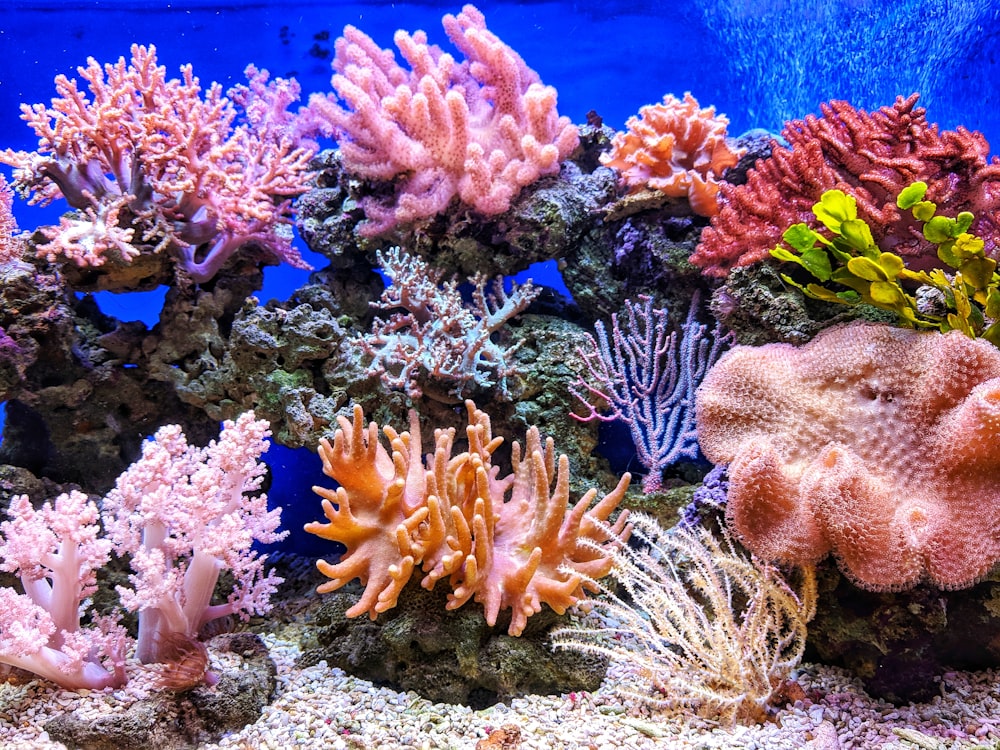
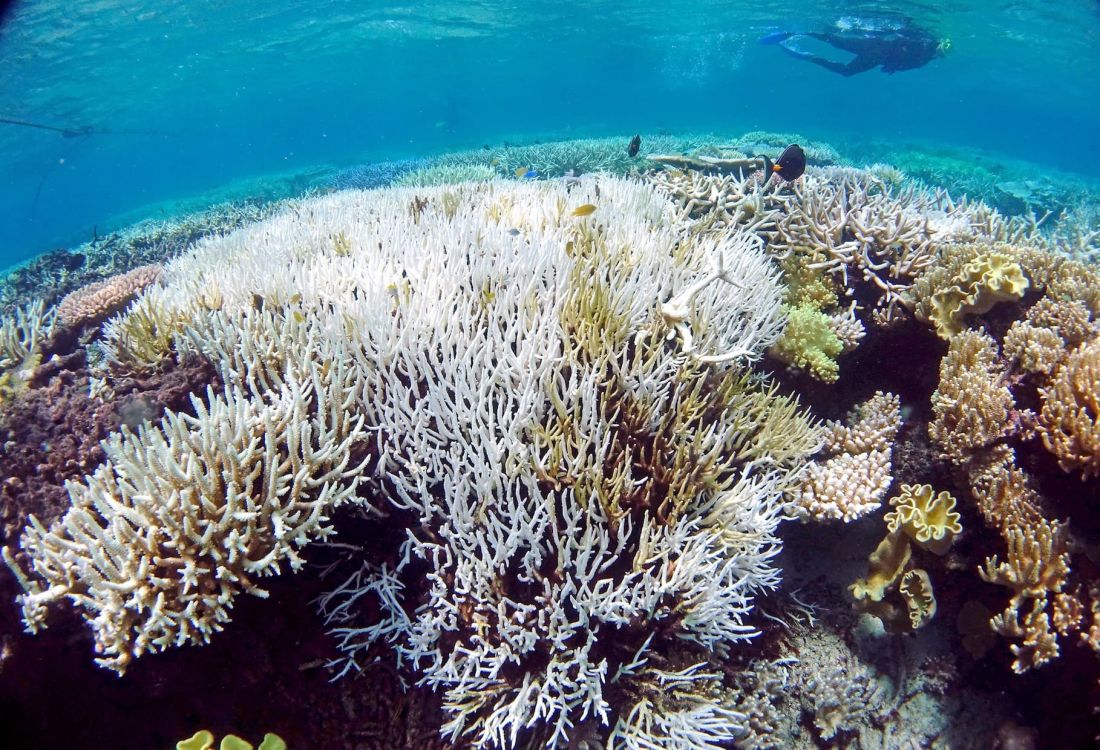
- The primary cause of coral bleaching is the rising sea temperatures associated with climate change.
- When the water becomes too warm, corals become stressed, and as a survival mechanism, they expel the algae, which leads to the loss of their main source of food.
- Without the colourful algae, the corals appear bleached and are more vulnerable to disease and death
- Other factors can contribute to coral bleaching as well, including ocean acidification, pollution, and extreme weather events.
- All of these stressors can weaken the corals and make them more susceptible to bleaching.
- Coral bleaching is a significant concern for the health and survival of coral reefs around the world.
- Repeated or prolonged bleaching events can lead to mass coral die-offs, causing the loss of biodiversity and the degradation of entire reef ecosystems
- Coral reefs are hot spots of biodiversity. They are often referred to as the rainforests of the sea because they are home to the highest concentrations of species in the ocean.
- Healthy reefs are vibrant ecosystems that support fish and fisheries, which in turn support economies and food for millions of people
- Additionally, they provide billions of dollars in economic activity every year through tourism, particularly in places like the Florida Keys, where people go to scuba dive, snorkel, fish and experience the natural beauty of coral reefs
- If that isn’t enough, reefs also protect shorelines, beaches and billions of dollars in coastal infrastructure by buffering wave energy, particularly during storms and hurricanes.
- They host a microscopic symbiotic algae called zooxanthella that photosynthesizes just like plants, providing food to the coral
Coral reefs are in danger, and there are many things that can be done to protect them. Here are some of the most important actions that individuals, businesses, and governments can take:
- Reduce your carbon footprint. The main threat to coral reefs is climate change, so reducing your carbon emissions is one of the most important things you can do to help. This means driving less, using less energy at home, and eating less meat.
- Support sustainable fishing practices. Overfishing is another major threat to coral reefs. When fish populations are depleted, it can lead to algae blooms that smother coral reefs. Choose to eat seafood that is sustainably caught, and support businesses that practice sustainable fishing methods.
- Use reef-friendly sunscreen. Some sunscreen ingredients can be harmful to coral reefs. Choose a reef-friendly sunscreen that does not contain oxybenzone or octinoxate.
- Support marine protected areas. Marine protected areas (MPAs) are areas of the ocean where fishing and other human activities are restricted. MPAs can help to protect coral reefs by reducing the amount of pollution and fishing pressure they face.
- Volunteer your time to coral reef conservation efforts. There are many organizations that are working to protect coral reefs. You can volunteer your time to help with beach cleanups, coral reef monitoring, or other conservation efforts.
- Establish Marine Protected Areas (MPAs): Designating and effectively managing marine protected areas can help protect coral reefs and the surrounding marine life from destructive activities such as overfishing, pollution, and habitat destruction.
- Encourage Responsible Tourism: Sustainable tourism practices can minimize the negative impacts on coral reefs. This includes promoting responsible diving and snorkeling practices, limiting physical contact with corals, and avoiding the use of harmful chemicals like sunscreen that can harm marine life
|
For Prelims: Corals, Coral reefs, polyps, zooxanthellae
For Mains: 1.Examine the major human-induced threats to coral reefs, including pollution, overfishing, and coastal development. What measures can be taken to address these threats and conserve coral reef ecosystems?
2.Assess the role of Marine Protected Areas (MPAs) in safeguarding coral reefs. Discuss the challenges in establishing and effectively managing MPAs for coral reef conservation. |
|
Previous Year Questions
1. Consider the following Statements
1. Most of the coral reefs are in tropical waters
2. More than one-third of the world's coral reefs are located in territories of Australia, Indonesia, and Phillippines
3. Coral reefs host far more number of animal phyla than those hosted by tropical rainforests
Which of the statements above given is/ are correct
A. 1 and 2 B. 3 Only C. 1 and 3 D.1, 2, 3
Answer- D
|


